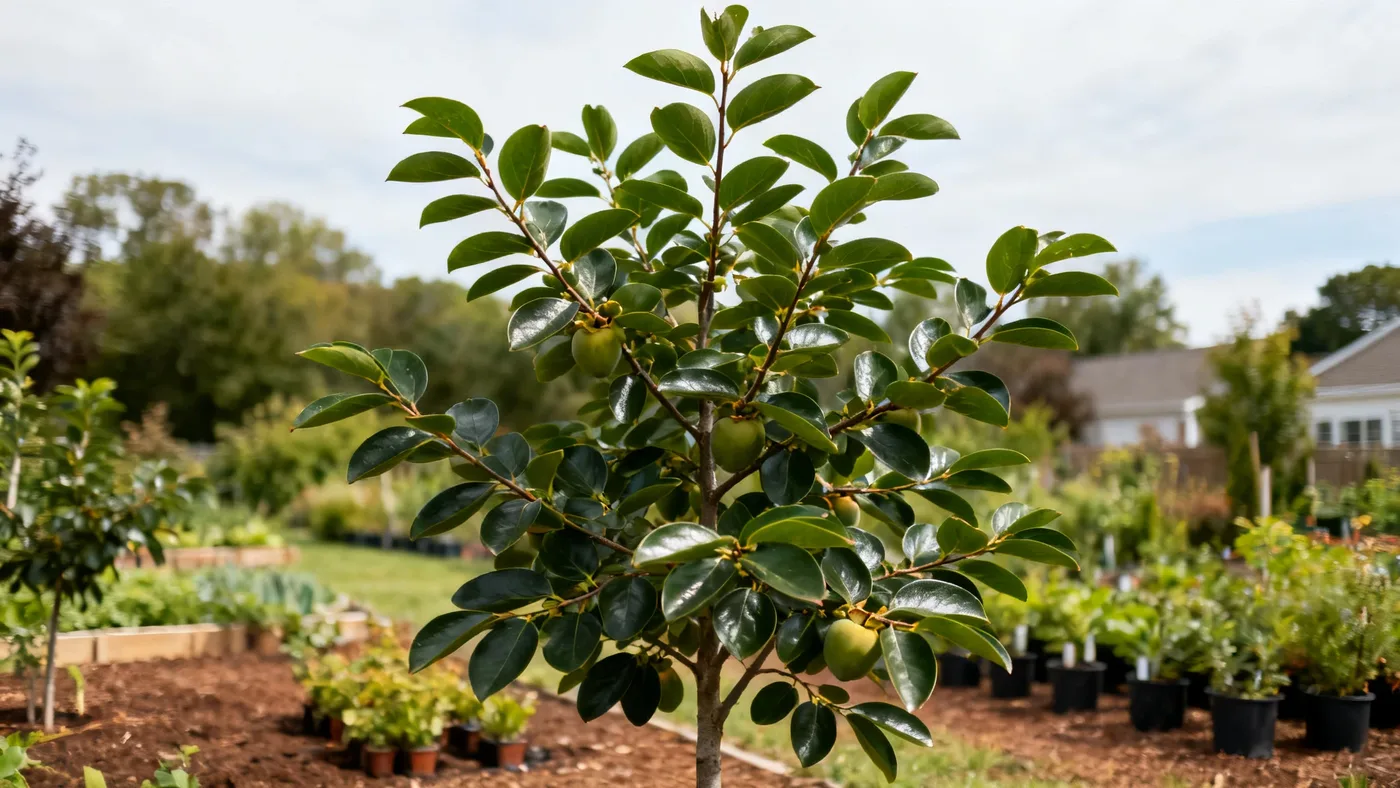
Is American Persimmon Toxic to Pets, Kids or Livestock?
American persimmon fruit is safe to eat when ripe, but the unripe version is a different story. The key risk is not poison, but a physical problem called a bezoar that can form in the digestive system, especially in dogs and livestock. If you have young children, pets, or farm animals, understanding which parts of the tree are hazardous and how to manage fallen fruit will help you grow this tree safely on your property.
Safety for Humans and Children
Is American persimmon fruit safe for children to eat?
Yes, ripe American persimmon fruit is completely safe for children and adults. The fruit is sweet, non-toxic, and edible straight off the tree once it reaches full ripeness. Ripe persimmons are a traditional food across the native range of the species in the United States and have been eaten safely for centuries.
Are ripe American persimmons toxic to people?
Ripe American persimmons are not toxic to any age group and pose no poisoning risk whatsoever. The flesh of a ripe persimmon is nutritious and sweet, with a soft, custard-like texture similar to a date. You can eat the skin and flesh together; only the seeds can be removed if you prefer, though removing them is optional.
What happens if someone eats an unripe American persimmon?
Unripe American persimmons are highly astringent, meaning they contain tannins that coat your mouth and throat with a dry, puckering sensation. This extreme astringency is unpleasant but not toxic, though the sensation may be startling or uncomfortable for children unfamiliar with the fruit. The astringency disappears completely once the fruit ripens and the tannins break down naturally over time.
How can you tell if an American persimmon is ripe and safe to eat?
A ripe American persimmon has a soft texture that yields easily to gentle finger pressure, much like a ripe avocado or ripe banana. The color darkens to orange or even dark orange-brown as the fruit ripens, and the fruit may feel almost jelly-like inside the skin. If the fruit is still firm or has a pale yellow color, it is not yet ripe and will taste strongly astringent.
Can eating an unripe persimmon require medical attention?
Eating unripe persimmons is unlikely to require medical attention, though the astringency may be intense enough to cause temporary discomfort or gagging. The main concern is that someone may spit out the fruit or become discouraged from trying ripe persimmons in the future. No antidote or specific treatment is needed, as the sensation subsides on its own within minutes.
Safety for Dogs and Pets
Are American persimmons safe for dogs?
Ripe American persimmon fruit is technically safe for dogs in small amounts, but the real risk comes from unripe fruit and seeds. Dogs that eat large quantities of unripe persimmons or seeds can develop a bezoar, a mass of indigestible material that blocks the digestive tract. For this reason, it is best to avoid giving persimmons to dogs and to clean up fallen fruit promptly if your dog has outdoor access.
What is a persimmon bezoar and why is it dangerous?
A bezoar is a hard, indigestible mass that forms when a dog or other animal eats large amounts of unripe fruit or seeds over time. Persimmon bezoars can block the stomach or intestines, causing severe pain, vomiting, loss of appetite, and potentially requiring surgery to remove. While bezoars are uncommon in dogs, the unpleasant texture and high tannin content of unripe persimmons make them a genuine risk for curious dogs with outdoor access to fallen fruit.
Can the seeds of American persimmons harm dogs?
The seeds themselves are not toxic, but they are a primary culprit in bezoar formation because they are hard and resistant to normal digestion. A dog that chews and swallows a few seeds will almost certainly be fine, but repeated ingestion of seeds alongside unripe fruit material increases the bezoar risk significantly. This is another reason to keep fallen fruit and loose seeds out of your dog's reach during fruiting season.
What should I do if my dog eats an American persimmon?
If your dog eats a single ripe persimmon, no action is needed and no toxicity risk exists. If your dog has eaten unripe fruit or a large amount of seeds, monitor closely for the next few days for signs of digestive upset: vomiting, diarrhea, loss of appetite, or lethargy. Contact your veterinarian immediately if your dog shows signs of a blockage, such as repeated vomiting, abdominal pain, or inability to defecate.
Can cats eat American persimmons?
Cats are less likely to eat persimmons than dogs, but ripe fruit poses no toxicity risk to cats if they consume it. However, the same bezoar risk applies if a cat were to consume large amounts of unripe fruit or seeds, so it is best to keep fallen fruit picked up and away from all pets. Most cats show little interest in fruit, but prevention is still the safest approach.
Safety for Horses and Livestock
Are American persimmons safe for horses?
Ripe American persimmon fruit is safe for horses in moderation, but unripe fruit and seeds pose a serious bezoar risk. Horses that have access to fallen persimmons may eat large quantities, particularly if they are curious about the fruit or if other forage is limited. Bezoar formation is more commonly documented in horses than in other livestock species, so keeping horses away from persimmon trees or picking up all fallen fruit is strongly advised.
What causes bezoars in livestock?
Bezoars form when an animal eats a large amount of unripe persimmon fruit and seeds, which contain tannins and have a texture resistant to normal digestion. The material accumulates in the stomach or intestines, compacting into a solid mass that can block the digestive tract entirely. The risk is especially high during autumn, when fruit falls and animals may graze on it over several weeks if they have tree access.
Can cattle or goats safely eat persimmons?
Cattle and goats are less frequently affected by persimmon bezoars than horses, though the risk still exists, especially if they consume large quantities of unripe fruit over time. Ripe fruit poses minimal risk to cattle and goats in moderation, but it is safest to keep them away from persimmon trees or to maintain a clean orchard floor during fruiting season. If you raise livestock and plant American persimmons on your property, plan to pick up or net fallen fruit routinely.
How can I prevent bezoar risk in livestock on my property?
The most effective prevention is to keep grazing animals (horses, cattle, goats, sheep) away from persimmon trees during fruiting season, which runs from late summer through winter in most climates. If the animals must have access to the area, pick up fallen fruit regularly, ideally several times per week, to prevent accumulation. Netting the tree or installing a fence around it during the season when fruit is present is the most reliable approach for long-term safety.
Other Parts of the Tree and Risk Management
Are the leaves of American persimmon toxic?
The leaves of American persimmon are not documented as toxic to any animal. Deer will sometimes browse young foliage, and livestock can safely graze on leaves if they have access to the tree. The leaves are not a primary concern for pet or livestock safety and pose no poisoning risk.
Is the bark of American persimmon toxic?
The bark is not toxic to people, dogs, or livestock. The distinctive deeply blocky "alligator hide" pattern of mature American persimmon bark is a signature feature, but poses no ingestion risk. Stripping or damaging the bark can harm the tree, so it is worth protecting from livestock if the bark is within reach.
Are there any other toxic parts of the American persimmon tree?
No part of the American persimmon tree (leaves, bark, roots, wood, or trunk) is poisonous to humans or animals. The only safety concern is the unripe fruit and its seeds, due to bezoar risk rather than toxicity. All other plant material is non-toxic, though not necessarily palatable or suitable for consumption.
Can you get an allergic reaction to American persimmons?
Allergic reactions to persimmons are rare but possible, just as with any food. If someone experiences itching, swelling, hives, or respiratory symptoms after eating a fresh persimmon, discontinue consumption and consult a healthcare provider. These reactions are usually individual and mild, not a general property of the fruit itself.
What should I do with fallen American persimmon fruit?
If you have dogs, cats, horses, or other grazing animals with access to the tree, pick up fallen fruit regularly during the fruiting season (late summer through winter). You can eat ripe fruit fresh, compost fully ripe fruit, or dispose of it in the trash. Leaving unripe or semi-ripe fruit on the ground is the main risk factor for bezoar formation in curious animals.
How much unripe persimmon would cause a bezoar in a dog?
There is no exact threshold, as bezoar risk depends on the size and age of the dog, the amount and ripeness of the fruit, and how quickly it is consumed. Eating one or two unripe persimmons is unlikely to cause a problem, but repeated consumption or large amounts over days or weeks increases the risk significantly. The safest approach is to prevent any unripe fruit consumption by removing fallen fruit promptly.
Do deer pose a risk by eating American persimmons?
Deer eat ripe persimmons readily and cause no safety risk to themselves or others by doing so. Deer have low resistance to this tree and will browse young foliage and fallen fruit when available, but this is an aesthetic and horticultural concern rather than a safety issue. The fruit drop and browsing damage are normal in areas with established deer populations.
Should I plant an American persimmon if I have young children?
Yes, American persimmon is a safe choice for families with young children, as ripe fruit is completely non-toxic and highly palatable. The main precaution is to teach children to wait until fruit is fully soft and dark orange before eating it, not when it is still firm and pale yellow. Ripe fruit is sweet, safe, and encourages kids to explore nature and harvest food directly from the tree.
Quick Reference: American Persimmon Safety Checklist
| Category | Ripe Fruit | Unripe Fruit & Seeds | Leaves & Bark |
|---|---|---|---|
| Children & Adults | Safe to eat; sweet and nutritious | Astringent but non-toxic; unpleasant taste only | Not edible; non-toxic |
| Dogs & Cats | Safe in small amounts | Risk of bezoar if ingested regularly or in large quantities | Safe; not a concern |
| Horses & Livestock | Safe in moderation | Serious bezoar risk, especially in horses; high priority | Safe to browse if available |
| Management Action | Pick ripe fruit and enjoy; can be left on tree | Pick up all fallen fruit regularly during fruiting season (late summer through winter) | No special precautions needed |
Learning More About American Persimmon Growing
For comprehensive information on growing American persimmon successfully, including site selection, watering schedules, and long-term care, see the American Persimmon Care Guide. Proper growing practices help minimize hazards like excessive fruit drop and ensure a healthy, productive tree for your garden or orchard.