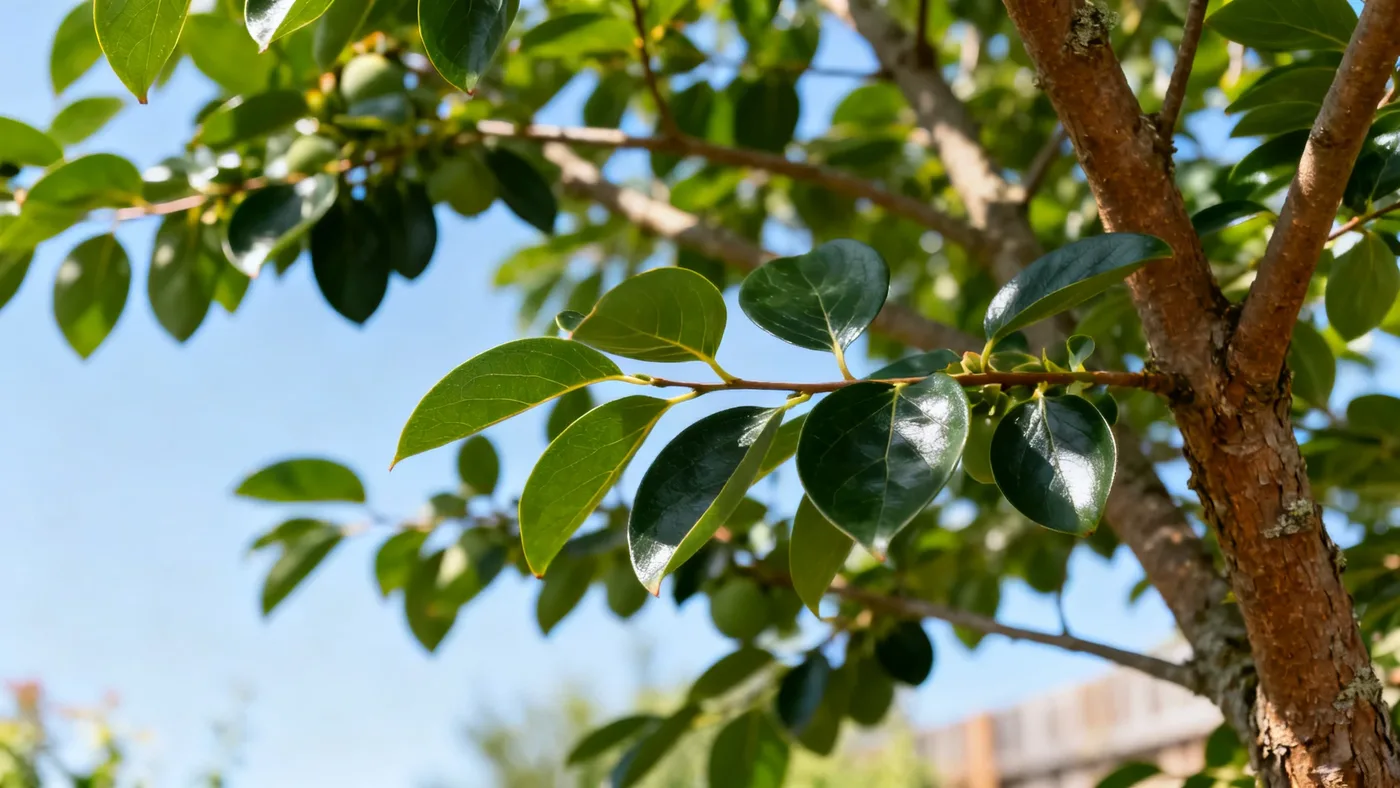
American Persimmon and Wildlife: Who Eats the Fruit?
American persimmon (Diospyros virginiana) is far more than a beautiful native tree for your landscape. It's a wildlife magnet. The sweet orange fruit that ripens in fall becomes a high-value food source for a remarkable range of animals, from deer that camp under the canopy to foxes working at dusk, from opossums to songbirds that strip branches bare. If you're thinking about American persimmon for wildlife garden design or simply curious about the ecological role this tree plays, understanding which animals rely on the fruit, when, and how much is essential knowledge.
This native tree thrives in zones 4-9 across the eastern and central United States, growing 35 to 60 feet tall with a mature spread of 20 to 35 feet. Beyond its role as a shade tree, it's a cornerstone species in food-forest plantings and naturalized areas. The fruit's nutritional density and late-season availability (often persisting into winter after leaves drop) make it invaluable to wildlife at a critical time of year. Here's who shows up to the American persimmon table and what you should know about supporting them.
1. Deer: The Most Visible Foragers
Deer are the most obvious wildlife drawn to American persimmon. White-tailed deer readily consume fallen fruit, sometimes in striking numbers during peak ripeness in fall. A single mature tree can feed multiple deer regularly, and the soft, sweet flesh makes it an easy target compared to harder mast. Deer also browse young foliage when fruit isn't available, making this tree a low-deer-resistance choice for your landscape.
The real attraction is the fruit's timing and palatability. Ripe persimmons are far more digestible than acorns and hickory nuts, and their late availability (September through November, with some fruit lingering into December) hits a gap in the deer's natural forage calendar. If you're managing land for wildlife or want to observe deer behavior, an American persimmon in a naturalized area will reliably draw them. The downside, if you consider it one: you'll have little to no fruit for your own harvest if deer pressure is high in your region.
Practical takeaway: If you plan to eat persimmons yourself, deer's preference for fallen fruit means you'll need to harvest regularly as fruit ripens. For a wildlife garden design, place the tree where you can enjoy watching deer activity without disrupting their feeding patterns. Learn more about successful planting in our guide to planting American persimmon.
2. Raccoons: Persistent Night Visitors
Raccoons are equally drawn to American persimmon fruit, though their feeding style differs from deer. Rather than simply eating fallen fruit, raccoons will climb into the tree to harvest directly from branches, and they'll return repeatedly throughout the season once they locate a productive tree. Their dexterous paws and climbing ability mean no fruit is truly out of reach on smaller or mid-aged trees.
Raccoon activity peaks at night and during early morning hours. A tree on your property might show signs of their visits: stripped fruit clusters, broken twigs, and occasional droppings beneath the canopy. Unlike deer, which may browse nearby ornamentals out of habit, raccoons are single-minded foragers. They'll spend weeks working a productive persimmon tree before moving to other resources. This makes American persimmon an excellent choice if wildlife support is your goal and you're willing to let the tree feed your local mammal population rather than harvest for yourself.
Practical takeaway: Expect significant fruit loss to raccoons if they're present in your area. Embrace this as part of the tree's ecological role, or accept that a portion of the crop will be claimed by wildlife. Raccoons are most active in fall, so monitor your tree's productivity during September and October.
3. Opossums: Efficient Scavengers
Virginia opossums (the only marsupial native to North America) are reliable consumers of American persimmon fruit, though they typically work the ground rather than climb. Opossums are primarily scavengers of fallen fruit, making them especially valuable as they clean up the ground litter that could otherwise become messy on patios or walkways. They're active primarily at night and prefer to forage alone, so you're unlikely to see them even if they visit regularly.
One often-overlooked benefit of opossums visiting your persimmon tree: they're excellent tick and insect hunters. While the tree itself is healthy (American persimmon isn't notably pest-prone), opossums will consume ticks, mites, and other arthropods encountered while foraging, adding another layer of ecological value to having them on your property. Their presence is a sign of a functioning, diverse wildlife ecosystem.
Practical takeaway: If you live in the eastern or central United States where American persimmon is native, opossums will likely find your tree if you plant one. Their ground-level scavenging habit makes them excellent for keeping fallen fruit from accumulating on hard surfaces like patios.
4. Foxes: Seasonal Specialists
Red foxes and gray foxes are attracted to American persimmon fruit, particularly as a supplemental food source in fall and early winter. Unlike deer and raccoons, foxes don't rely heavily on the fruit, but they will consume it opportunistically when passing through or hunting in the vicinity. A fox may visit to feed on the fruit itself or, more likely, to hunt rodents attracted to the fallen fruit and the shelter of the tree's base.
The fruit's fall ripening aligns with foxes' natural food scarcity period, making even occasional persimmon access valuable. Foxes also benefit indirectly: the concentration of prey animals (insects, rodents) drawn to a productive persimmon tree makes the site worth visiting for hunting. If you're designing a wildlife garden, American persimmon serves a dual ecological purpose as both a food source and an attractant for the secondary predators that help maintain ecosystem balance.
Practical takeaway: Foxes are primarily nocturnal. A mature American persimmon in a naturalized or woodland setting may draw foxes without you ever knowing they visited. This is part of the tree's role in a functioning wildlife ecosystem.
5. Birds: Year-Round Fruit Eaters
Birds of dozens of species consume American persimmon fruit, with some arriving in fall specifically to exploit the seasonal abundance. Cedar waxwings, American robins, mockingbirds, and various thrush species are among the most common consumers. The soft flesh and small seed size make persimmon fruit ideal for birds without powerful beaks, and the tree's high branch density provides safe feeding perches.
The fruit's late ripening and persistence into winter make American persimmon especially valuable for migratory birds passing through during fall migration and wintering birds that stay through cold months. The distinctive orange fruit is highly visible against bare winter branches, making it easy for birds to locate from a distance. A single mature tree in a wildlife garden can support dozens of individual birds over a season, with some species relying on the crop as a critical energy source before migration or winter.
Practical takeaway: Plant American persimmon near other native fruiting trees and shrubs (pawpaw, serviceberry, native pollinator perennials) to create a layered wildlife garden that supports birds through the full year. The combination dramatically increases your site's value to local bird populations. For detailed care information, see our American persimmon care guide.
6. Bees and Pollinator Insects: Spring Supporters
While the fruit is the headline wildlife story, American persimmon's ecological value begins earlier with its flowers. The tree blooms in late spring (typically May to June), and its flowers attract bees and other pollinating insects with mild, sweet fragrance and abundant nectar. The flowers themselves aren't showy, they're creamy white to pale yellow-green, but they're a reliable spring nectar source when native bees are actively foraging and establishing colonies.
Bees and native insects that visit the flowers in spring are repaid in fall when the pollinated fruit matures. This complete cycle, from early-season nectar support to late-season food bounty, makes American persimmon a cornerstone species for wildlife gardens. Male trees contribute pollen and nectar but not fruit; female trees (and the parthenocarpic cultivar 'Meader') produce fruit. Both play roles in supporting pollinators and the broader food web.
Practical takeaway: If pollinators are your focus, either sex of American persimmon is valuable. Female trees offer the added benefit of fruit production, supporting wildlife from spring through winter. The dioecious nature of most American persimmons means you may need both male and female trees for reliable fruiting, though some female trees produce fruit parthenocarpically (without pollination).
A Note on Safety: Unripe Fruit and Pets
While ripe persimmon fruit is edible and not toxic to people or animals, unripe fruit is highly astringent and can cause serious problems. Livestock (especially horses) and dogs have been documented with persimmon bezoars, which form from ingesting large quantities of unripe fruit and seeds. If you have grazing animals or dogs with access to a persimmon tree, keep fallen fruit cleaned up regularly, especially early in the season before fruit fully ripens. This simple maintenance step prevents the only real health risk associated with the tree.
Quick Reference: Wildlife Value of American Persimmon
| Animal | Season Active | Part Consumed | Frequency |
|---|---|---|---|
| Deer | Sept–Nov | Fallen fruit, young foliage | Regular, heavy |
| Raccoons | Sept–Nov | Ripened fruit on branches | Persistent nightly |
| Opossums | Sept–Dec | Fallen fruit from ground | Regular, night visits |
| Foxes | Sept–Jan | Fruit, attracted prey | Opportunistic |
| Birds | Aug–Feb | Ripened fruit on branches | Variable by species |
| Bees & pollinators | May–June | Nectar & pollen (flowers) | Regular spring visits |