American Persimmon
Grow native persimmons for fall fruit and wildlife
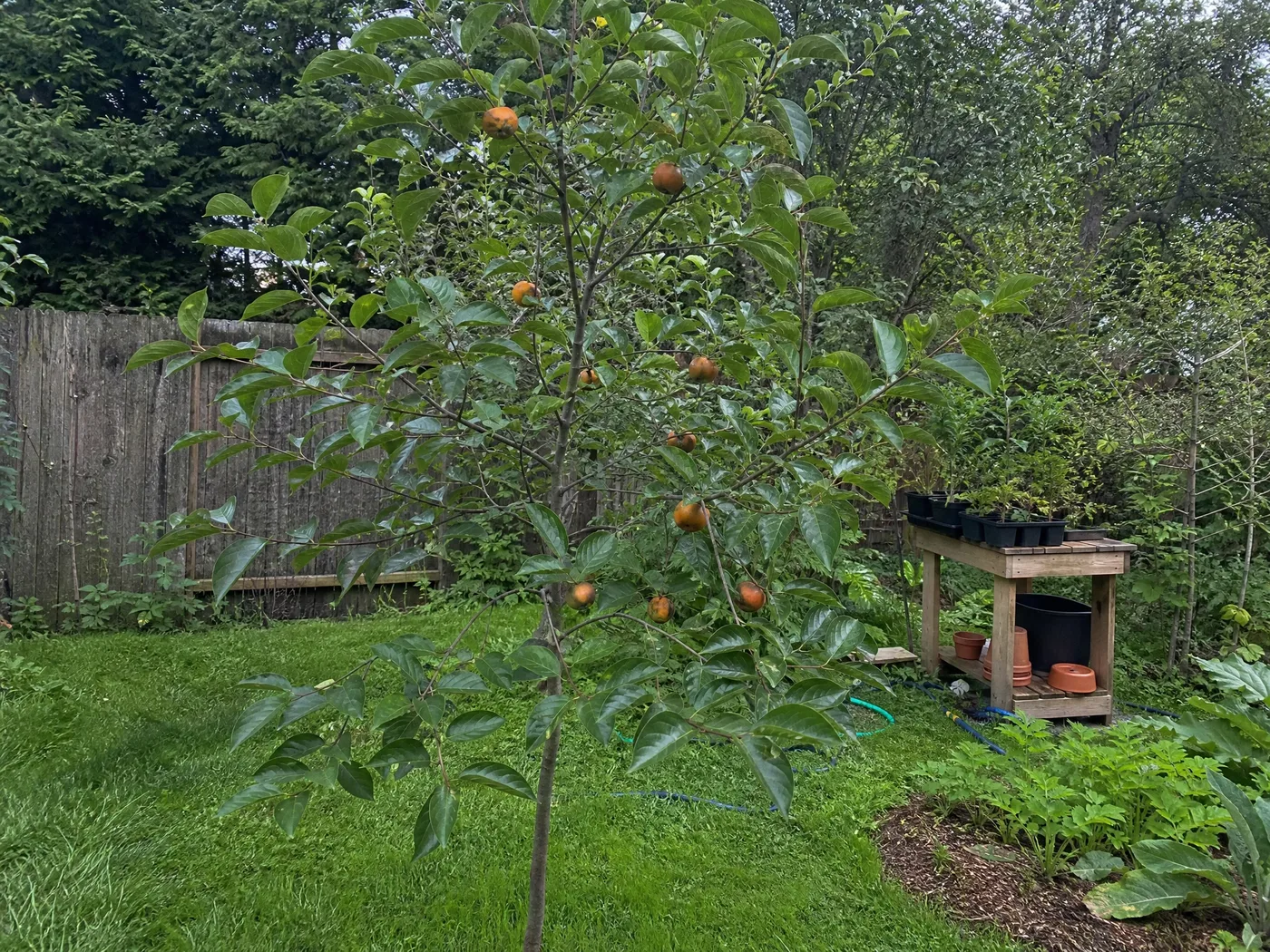
About American Persimmon
American Persimmon is a native deciduous tree prized for its small, sweet fruit that ripens in fall, its striking orange foliage, and its value to wildlife. The fruit requires patience,it's astringent until fully soft,but rewards with rich, honeyed flavor. The tree adapts to poor soils and tolerates drought once established, making it a resilient choice for naturalized landscapes.
We cover everything from planting and site selection to watering, pest management, and harvest timing. You'll learn why American Persimmons are dioecious and when you need both male and female trees for fruit production. We also guide you on sourcing healthy trees and understanding the deep taproot that makes established persimmons so drought-tough.
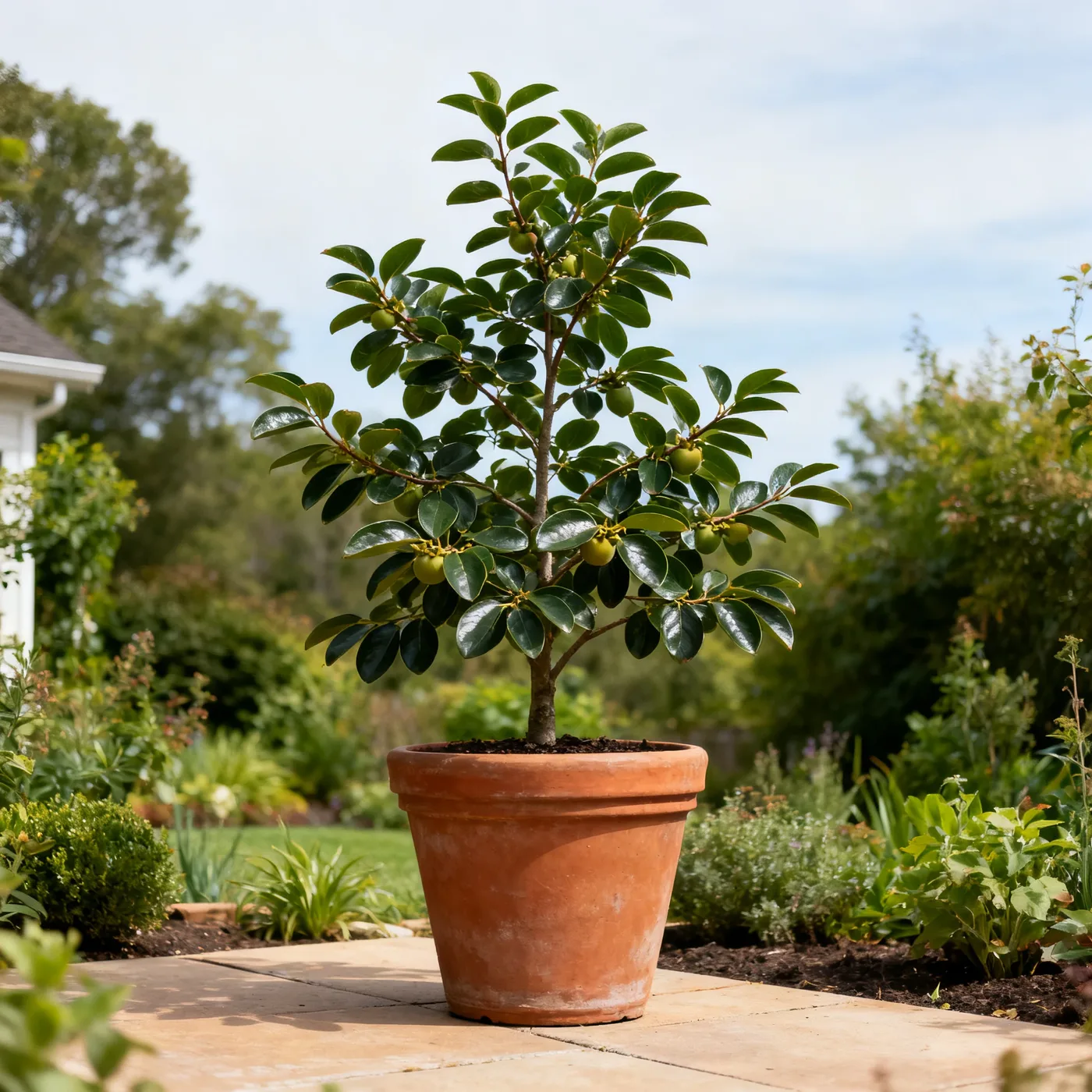
Buy American Persimmon
Nursery-grown plants shipped in their container, with our planting and care guides to go with them.
From $54.95
Sizes: 1 Gallon, 3 Gallon
Shop American PersimmonQuick facts
- USDA zones
- 4-9
- Mature height
- 35-60 ft (some wild specimens to 80 ft)
- Mature width
- 20-35 ft
- Sun
- full sun to part shade; best fruiting in full sun
- Water
- average to moist, well-drained soil; drought tolerant once established via a deep taproot
- Bloom time
- late spring, typically May-June
- Bloom color
- creamy white to pale yellow-green, not showy
- Growth rate
- slow to moderate; roughly 12-18 in. per year once established
- Deer resistance
- low resistance (deer readily browse fallen fruit and can browse young foliage)
- Plant type
- deciduous tree
- Native North American tree valued for fall/winter fruit and wildlife value
- Dioecious -- most seedlings need a male and female tree for fruit set
- Fruit is astringent and inedible until fully ripe/soft, often after first frost
- Deep taproot makes it very drought tolerant but harder to transplant once established
- Distinctive dark, blocky 'alligator hide' bark provides winter interest
- Slow to moderate grower, long-lived (75+ years)
- Adaptable to clay, poor, and compacted soils
Growing guides
 Core guide
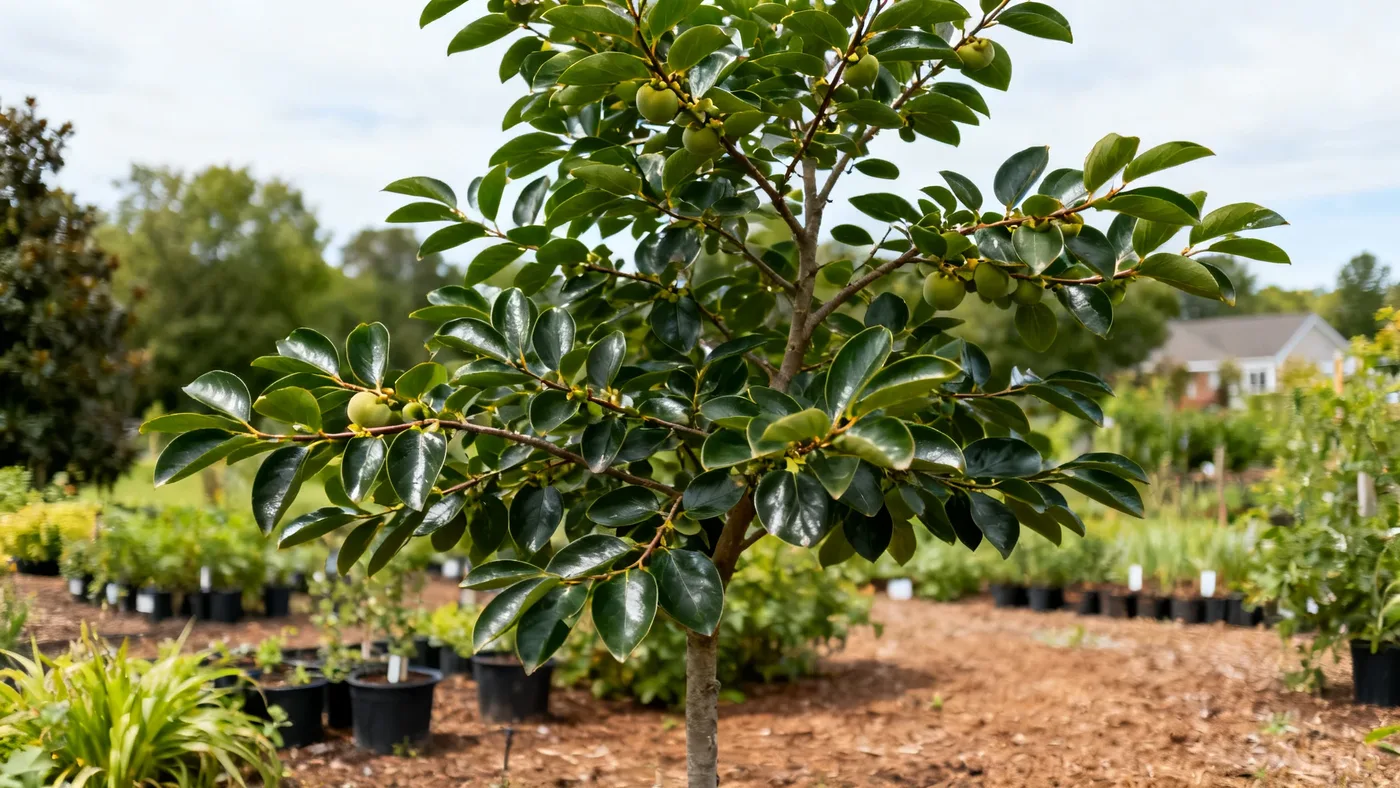
American Persimmon Care Guide: Sun, Soil, Water and Pruning Basics
Complete American Persimmon care guide: sun, soil, water, pruning, and seasonal care for healthy Diospyros virginiana trees.
 Core guide
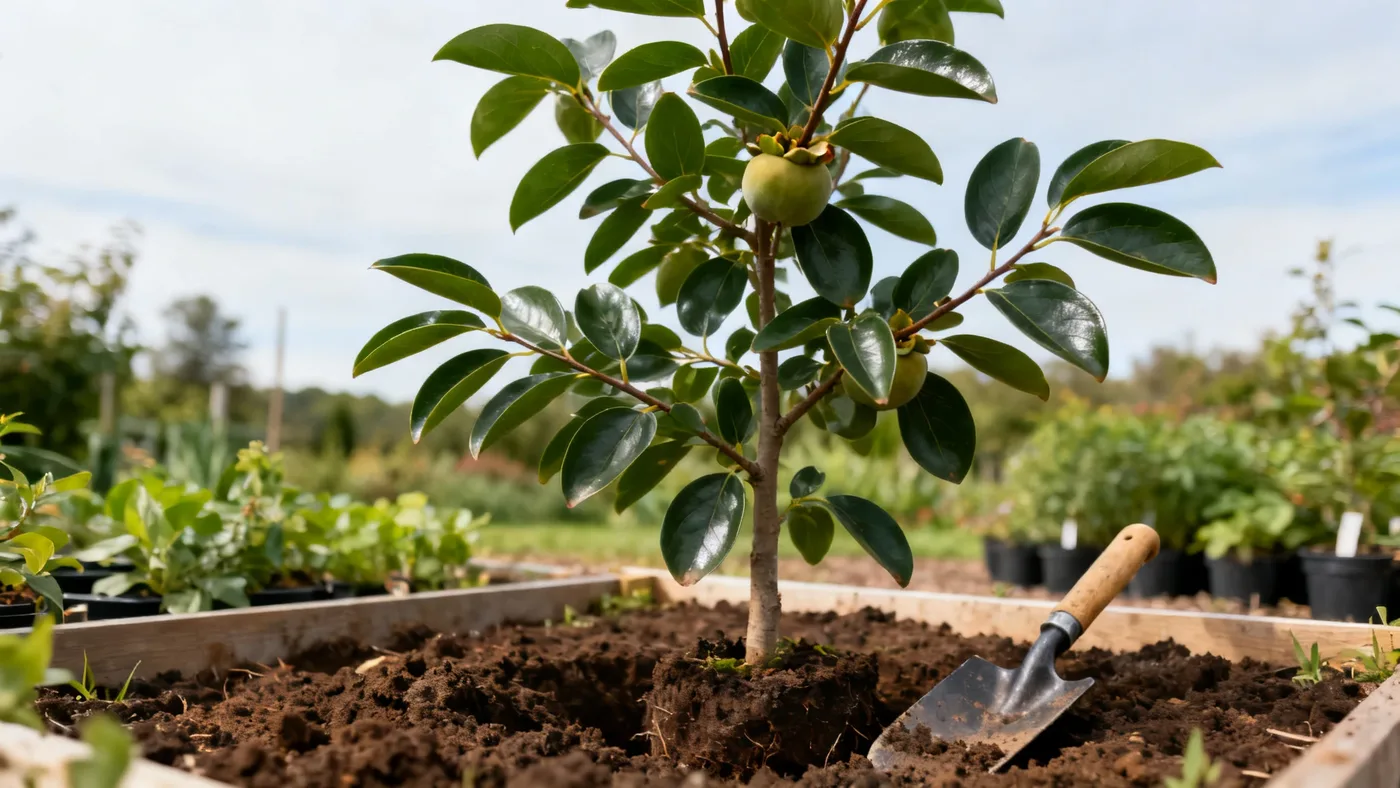
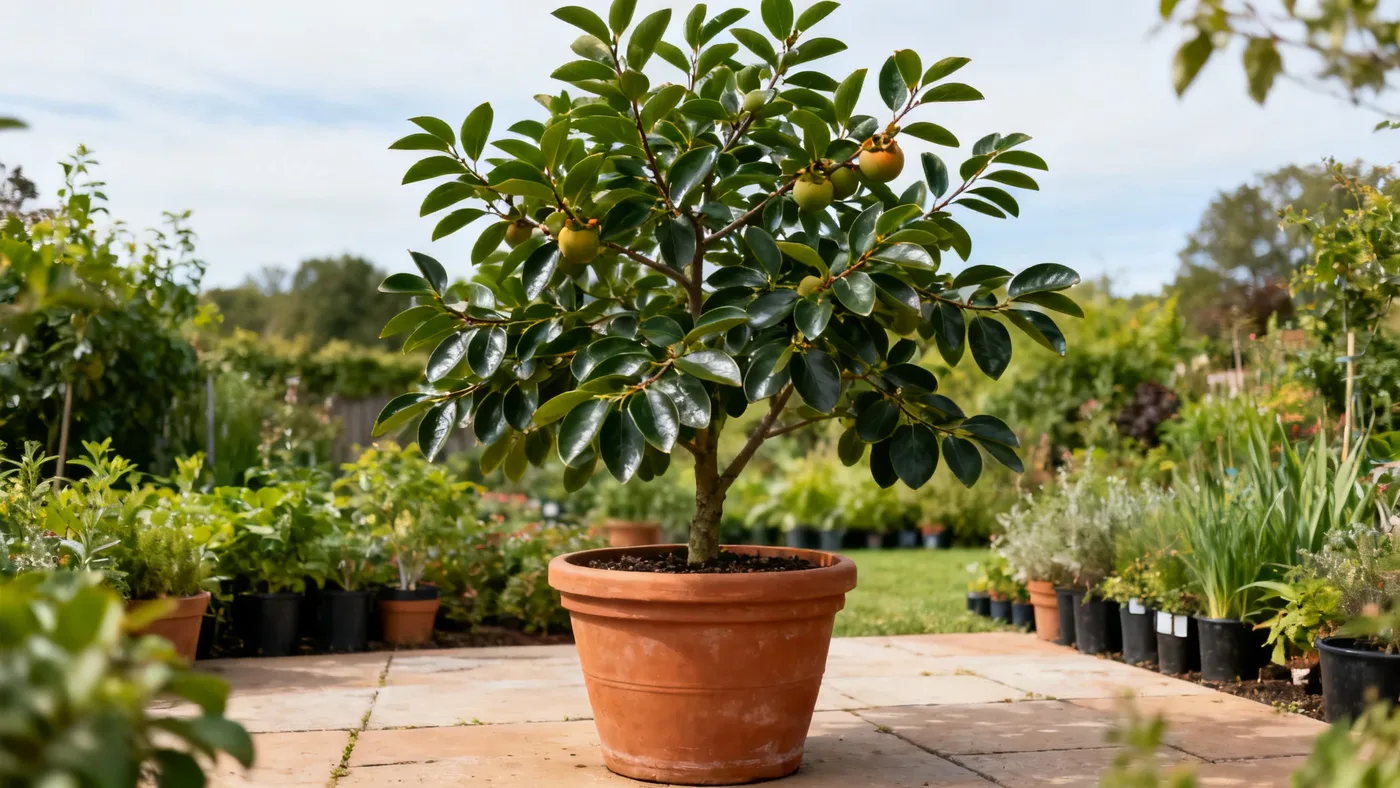
How to Plant an American Persimmon Tree the Right Way
Learn how to plant American persimmon trees the right way. Step-by-step guide with timing, spacing, and soil prep for USDA zones 4-9.
 Core guide
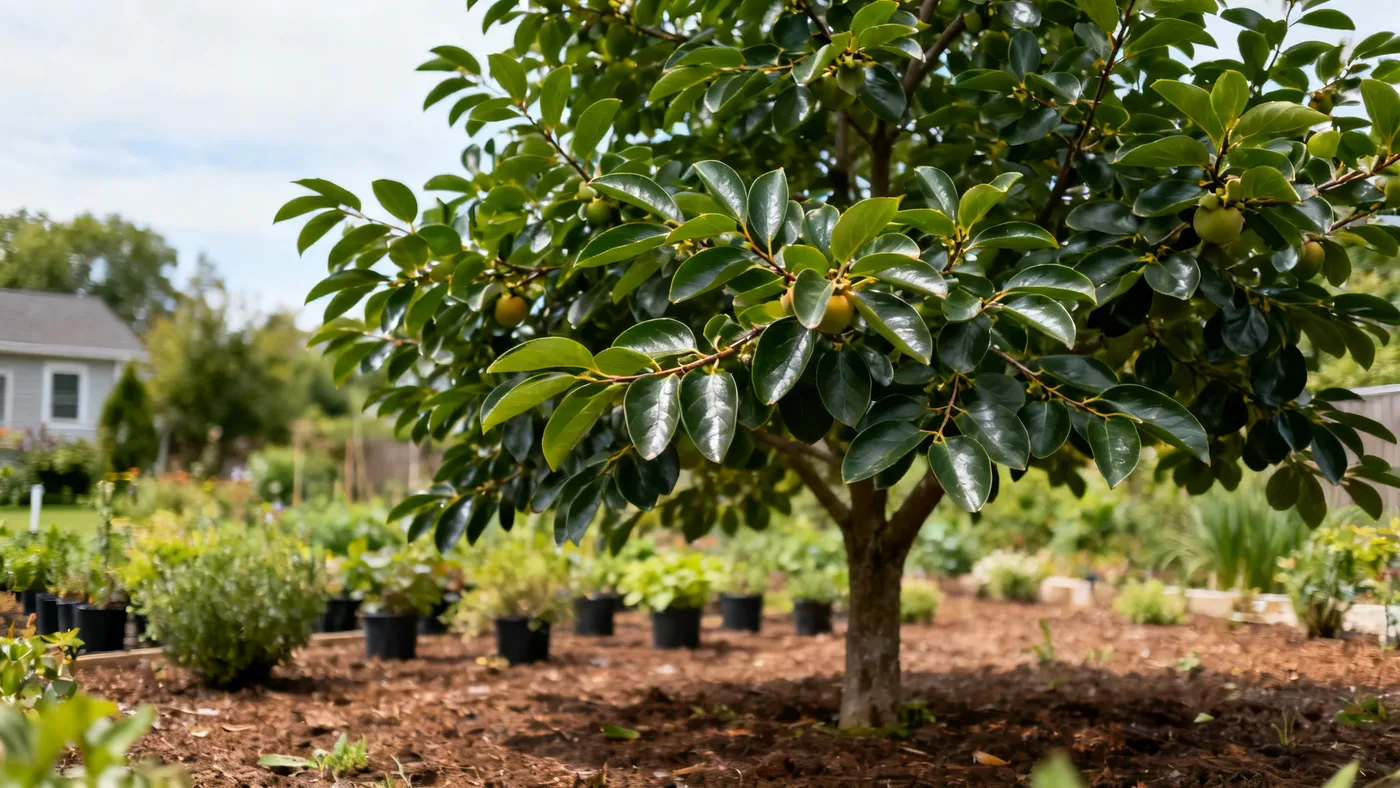
American Persimmon Buying Guide: What Container Size to Choose
American Persimmon buying guide: choose the right container size, cultivar, and nursery. Learn what to look for and where to buy grafted or
 Core guide
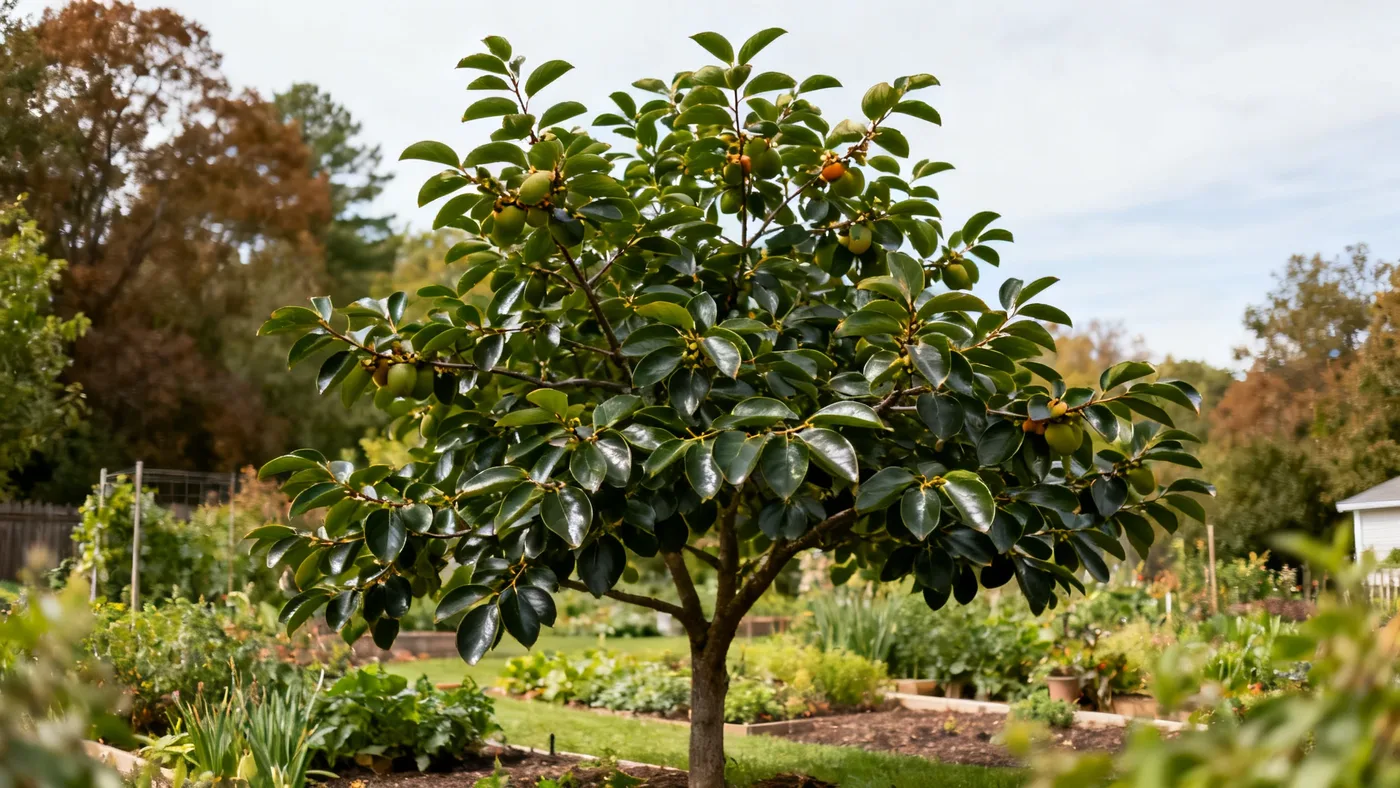
What Hardiness Zones Does American Persimmon Grow In?
Learn which USDA hardiness zones support American Persimmon growth, from zone 4 to 9. Get zone-by-zone planting and fruiting guidance.
 Core guide
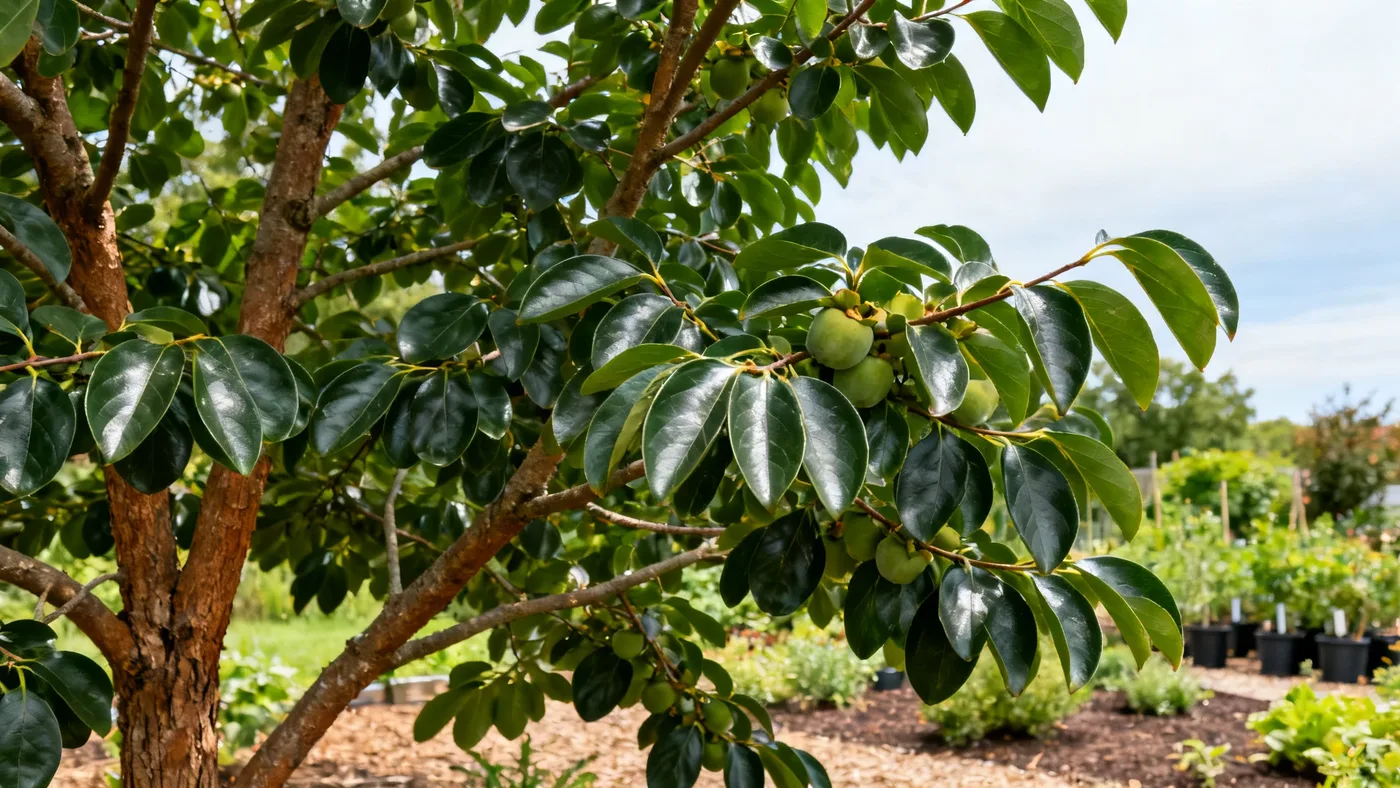
9 Common American Persimmon Pests, Diseases and Problems
Identify and fix American persimmon pests, diseases, and common problems. Learn practical pest control and disease management from a nursery
 Plant specific
American Persimmon Fruit: Ripening, Astringency and Harvest Tips
Learn when American persimmon fruit is ripe, how to harvest it, and manage astringency. Step-by-step ripening and storage tips for home grow
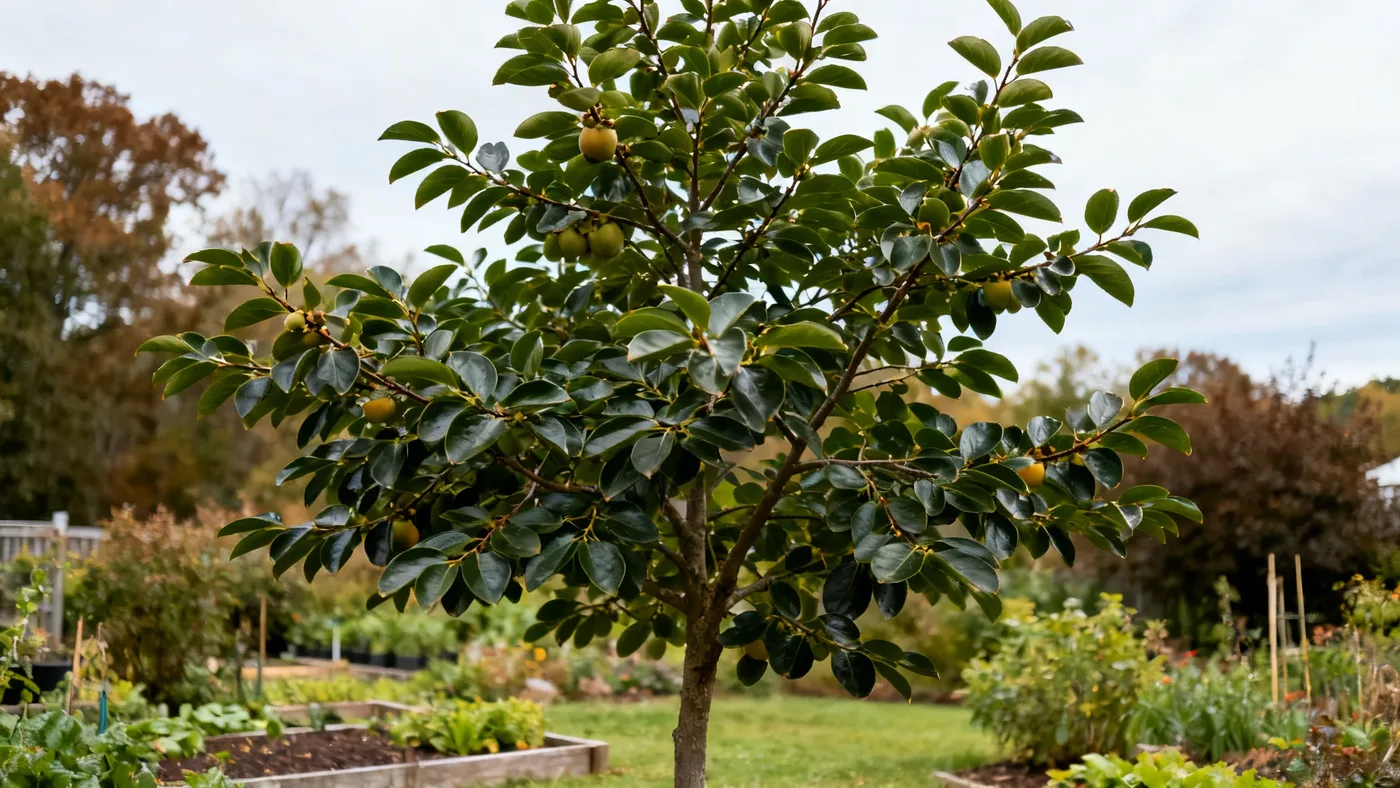 Core guide
How Big Does an American Persimmon Tree Get?
Learn how big American persimmon trees grow, mature size ranges, growth rates, and spacing needs for home gardens and orchards.
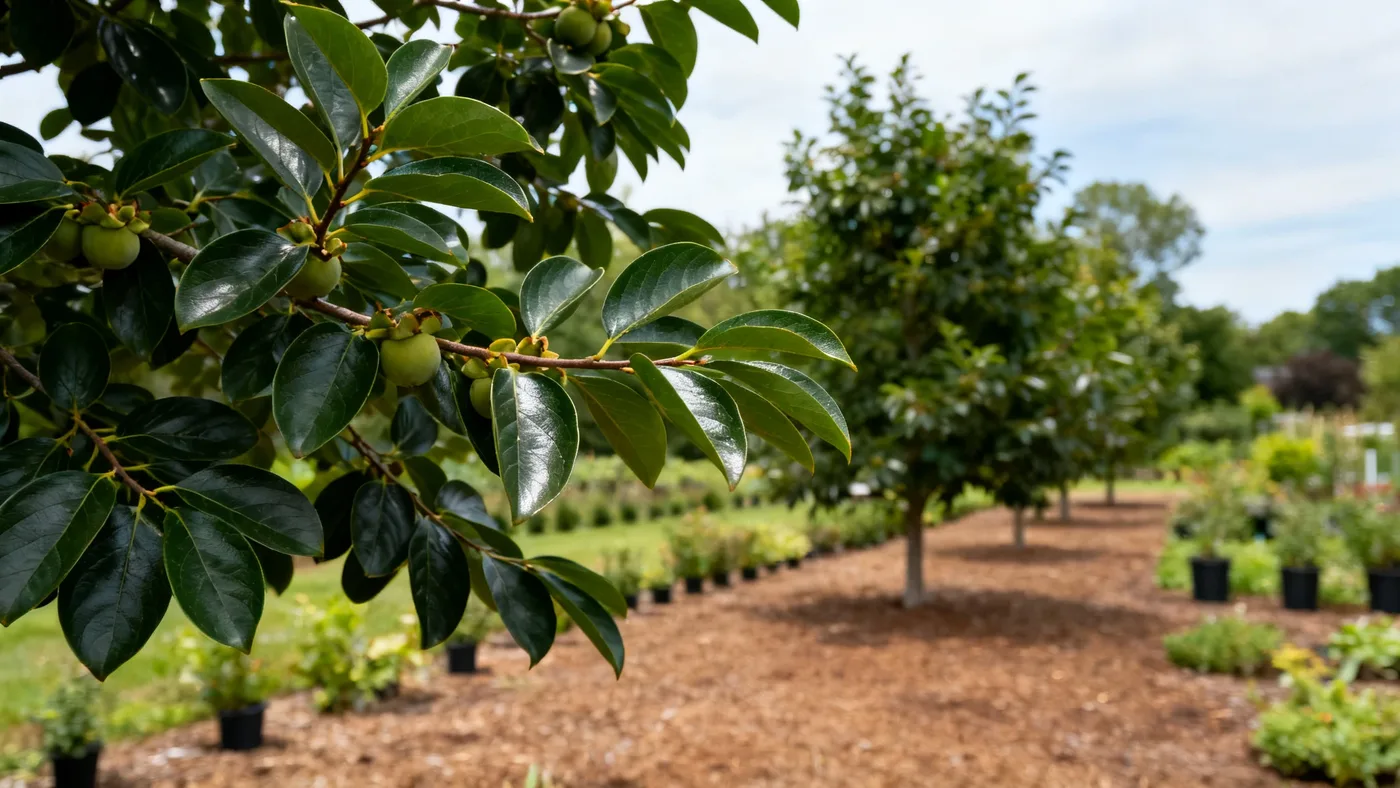 Core guide
American Persimmon Sun Requirements: Full Sun vs Part Shade
Learn whether American persimmon needs full sun or tolerates part shade. Detailed guide on sun requirements, site assessment, and light plac
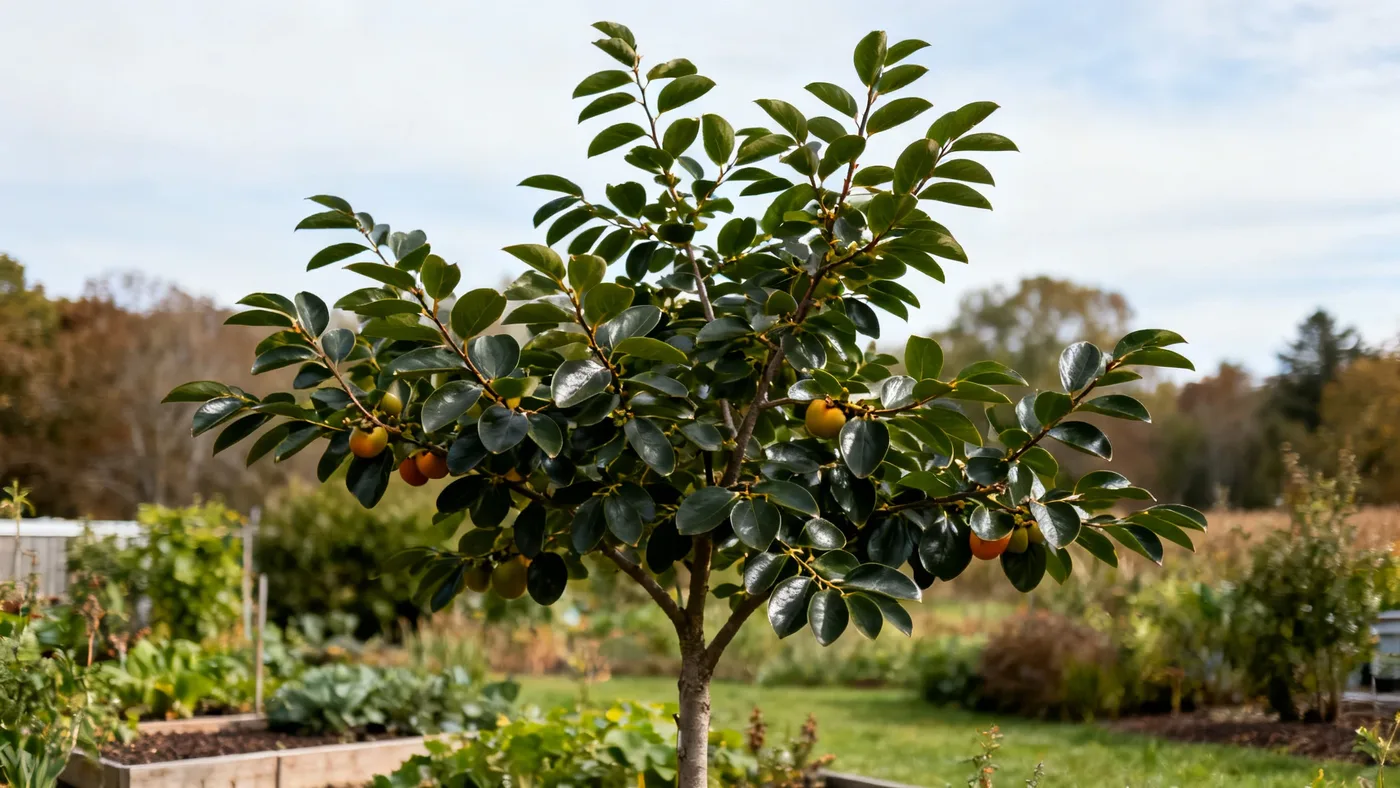 Core guide
Watering American Persimmon Trees: Young vs Established
Learn when and how often to water American Persimmon trees. Complete guide for young and established trees, watering schedules, and drought
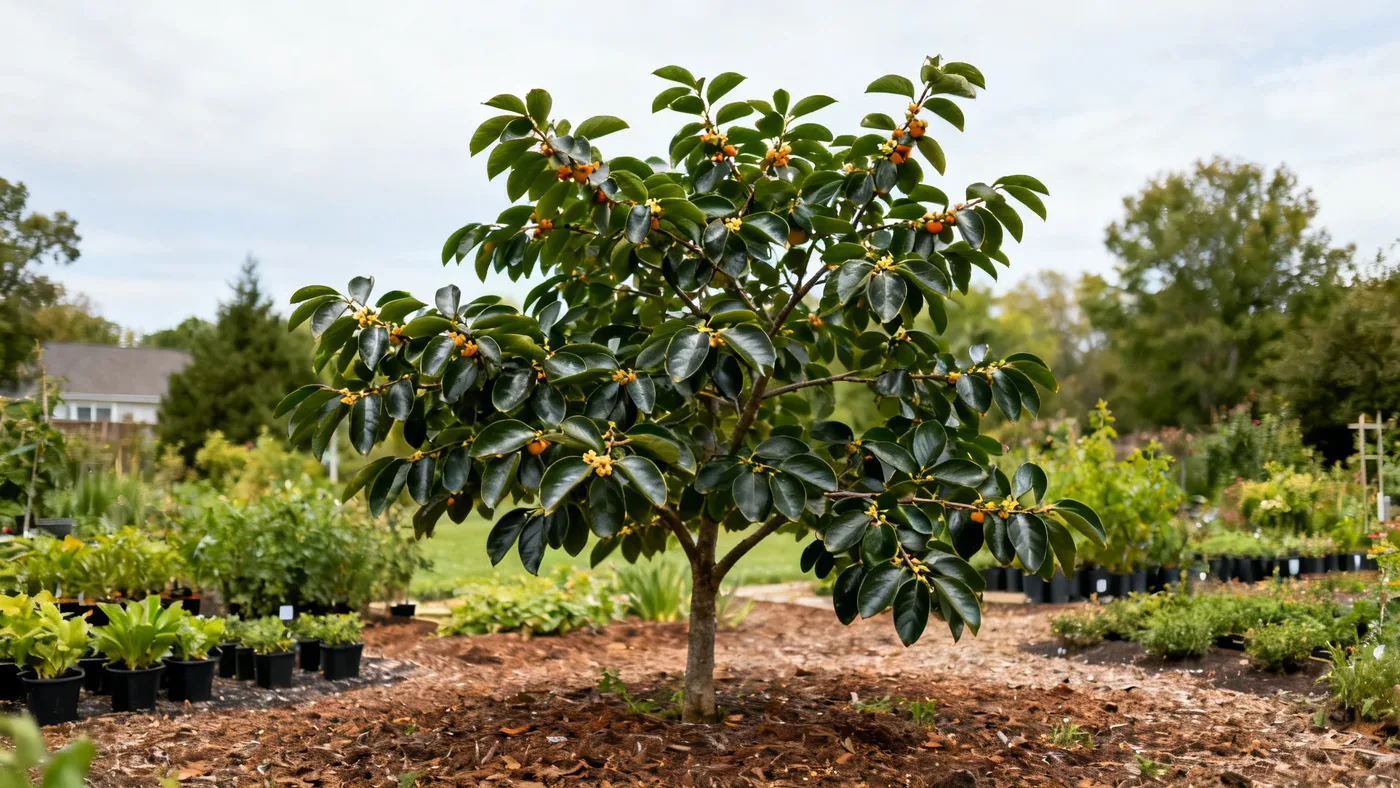 Core guide
Best Soil for American Persimmon: Drainage, pH and Amendments
Learn the best soil for American Persimmon: drainage, pH 5.5-7.5, and amendment steps for healthy trees. Adaptable to clay, loam, sand.
 Plant specific
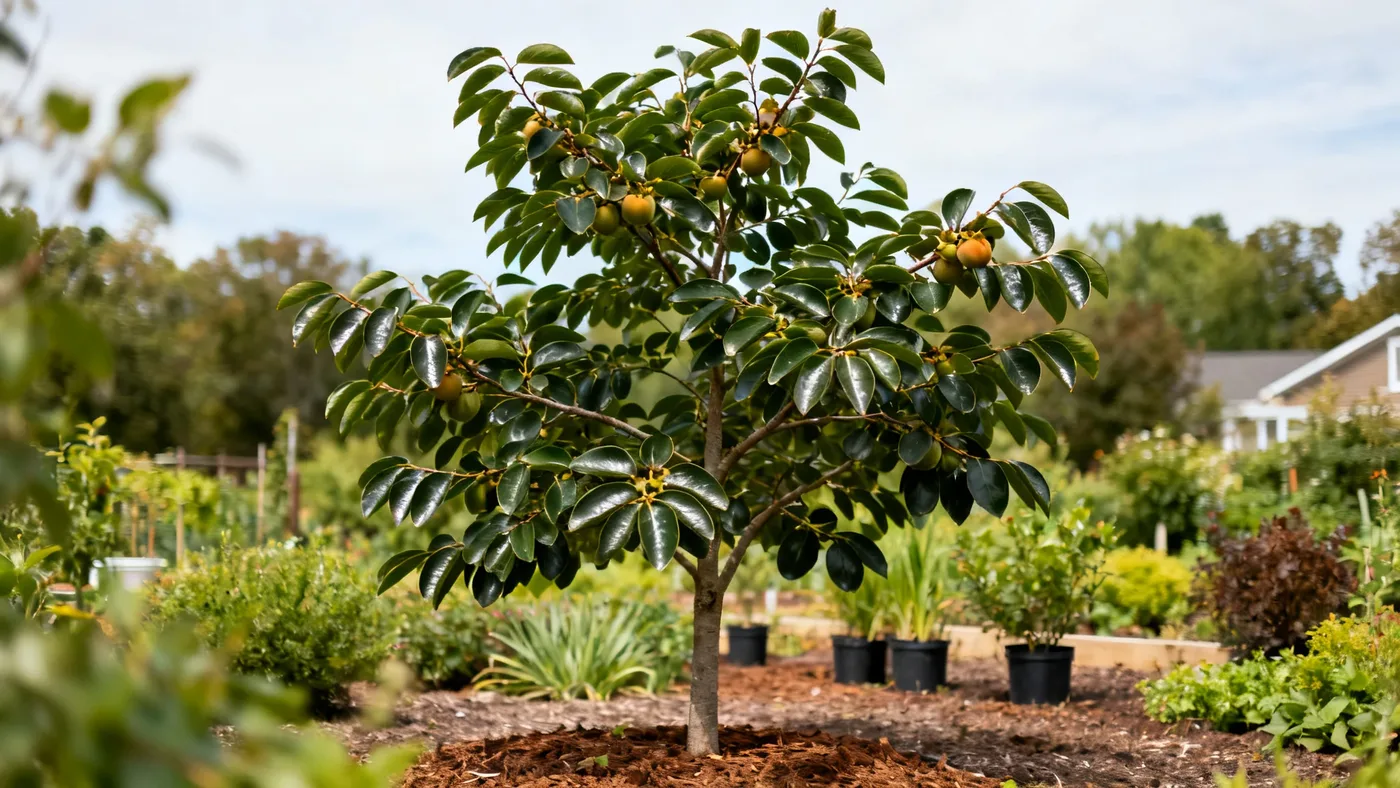
American Persimmon vs Asian Persimmon: Key Differences Explained
Compare American and Asian persimmons. Learn hardiness zones, fruit flavor, tree size, and which persimmon to grow for your garden.
 Plant specific
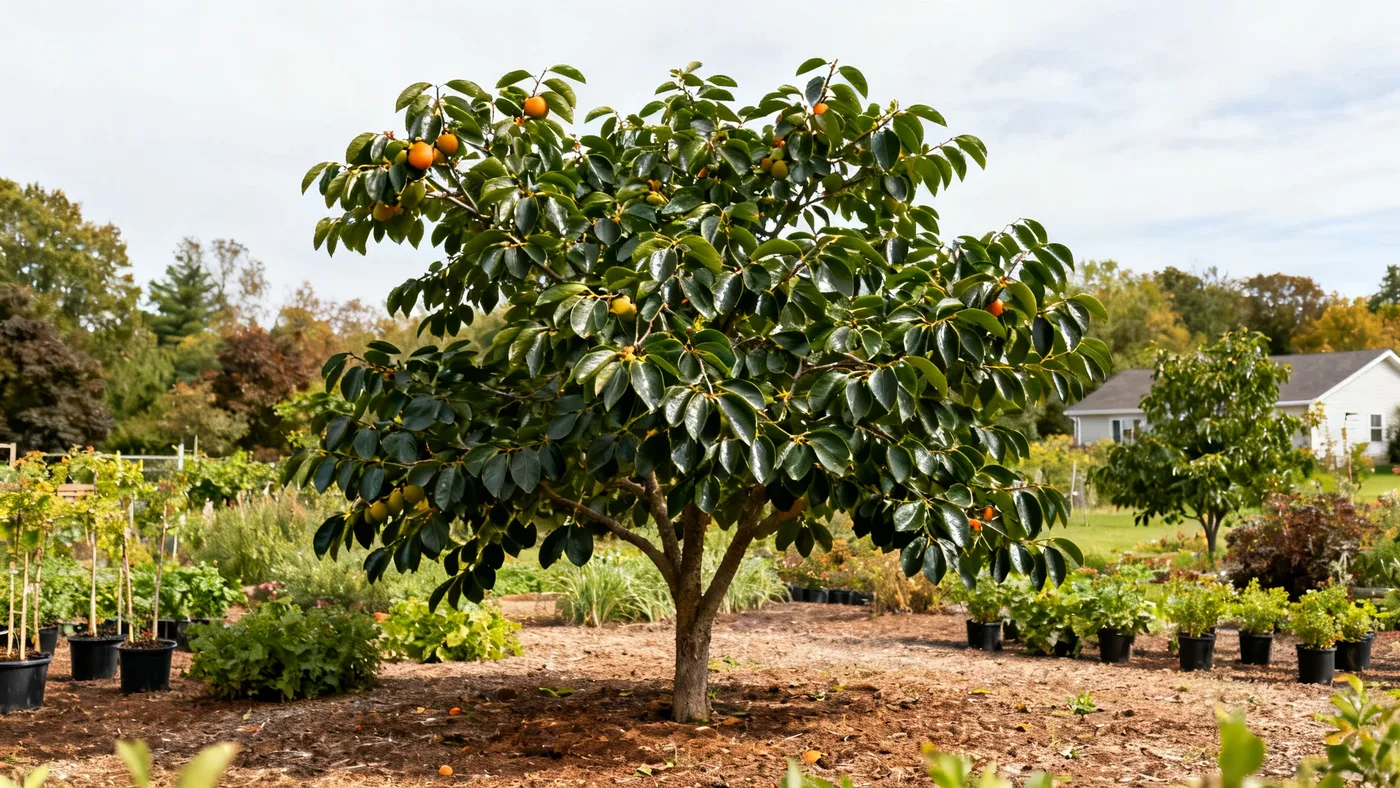
Best American Persimmon Varieties and Cultivars to Grow
Discover the best American Persimmon varieties and cultivars to grow: Meader, Prok, Early Golden, and more. Learn which cultivars fruit fast
American Persimmon questions
Do I need two trees to get fruit?
Most American Persimmons are dioecious, meaning you need both a male and a female tree nearby for the female to set fruit. Some cultivars, like 'Meader', are parthenocarpic and can produce fruit without a pollinator, though seedless.
Why does the fruit taste bitter?
Unripe American Persimmon fruit is very high in tannins and extremely astringent. It needs to fully ripen (usually becoming soft and wrinkled, often after a frost) before it's palatable.
How long until my tree produces fruit?
Seedling-grown trees can take 6-10 years to bear their first fruit, while grafted cultivars typically fruit in 3-5 years.
Is American Persimmon fruit safe for pets and livestock?
Ripe fruit is not toxic, but large amounts of unripe fruit and seeds have been linked to bezoar (masses in the digestive tract) formation in horses and occasionally dogs, so it's wise to clean up excess fallen fruit.