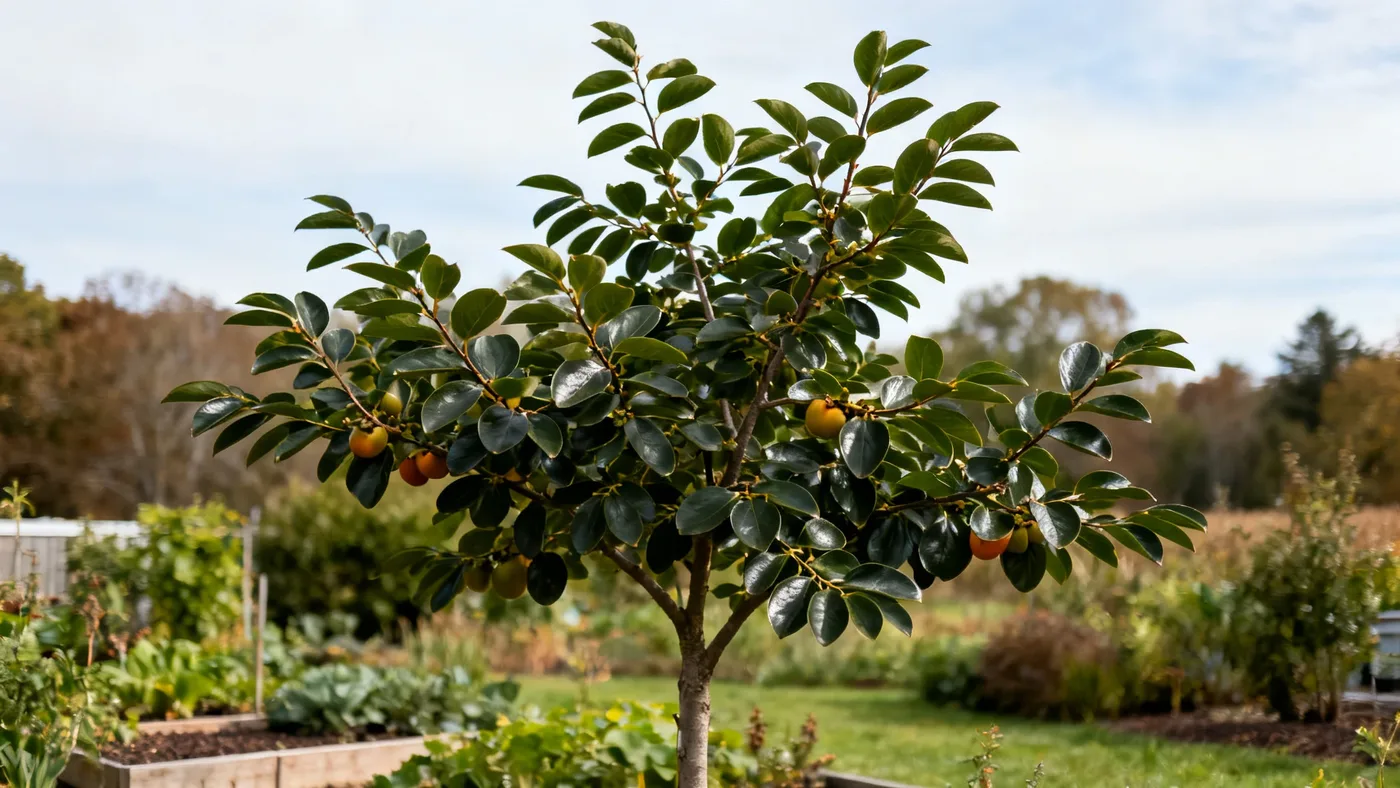
Watering American Persimmon Trees: Young vs Established
Why Watering Strategy Matters for American Persimmon
American Persimmon (Diospyros virginiana) is a hardy native tree, but the difference between a struggling young tree and a productive mature one often comes down to one thing: water management in the first few years. This guide walks you through the specific watering needs at each stage of your tree's life, so you can avoid both the drought stress that kills saplings and the overwatering that invites root rot and fungal disease.
Understanding Your Persimmon's Water Needs
Young persimmon trees are still developing their root systems and cannot yet access deep soil moisture. Established trees, by contrast, form a long taproot that makes them remarkably drought tolerant once they mature. A tree is considered established after 3 to 5 years in the ground, though seedlings can take longer to develop that crucial deep root structure. This shift from needy to self-sufficient is the central pivot point in persimmon care.
American Persimmon trees thrive in average to moist, well-drained soil. The soil should never stay waterlogged, as wet conditions encourage root rot and fungal problems. Equally important, the soil should not dry out completely around a young tree; inconsistent moisture stresses newly planted stock. Once established, the deep taproot lets your tree handle extended dry periods with ease, a feature that makes American Persimmon such a resilient landscape choice in zones 4 through 9 across much of the Eastern and central United States.
Understanding the difference between how often to water american persimmon in year one versus year five is key to long-term success. Many gardeners make the mistake of watering the same way throughout the tree's life, not realizing that the american persimmon watering guide fundamentally changes after the root system matures.
What You'll Need
- A watering can (2 to 3 gallons) or a garden hose with a gentle spray nozzle
- Mulch (2 to 4 inches deep) such as shredded bark or wood chips
- A soil moisture meter or a simple screwdriver to test soil hardness
- A shovel for occasional deep watering inspection and checking root-zone moisture
- A soaker hose or drip line (optional but highly recommended for young trees)
Watering Young Persimmon Trees
A young persimmon tree lives or dies by consistent moisture in its first 2 to 3 growing seasons. This is the hardest work you will do for your tree. The payoff is a robust root system that sets the stage for decades of low-maintenance growth and reliable fruiting. Proper attention to watering a young persimmon tree now means freedom later.
Step 1: Water Deeply the Day After Planting
Right after planting in early spring or fall, apply 1 to 2 gallons of water around the base of the tree. This settles the soil and fills air pockets, ensuring good contact between the roots and surrounding soil. Water gently; you are not trying to flood the planting hole, but rather to achieve thorough soil-to-root contact without creating puddling or erosion.
Step 2: Check Soil Moisture Every 3 to 4 Days
For the first month after planting, stick your finger 2 to 3 inches into the soil near the base of the tree. If the soil feels dry at that depth, water. If it feels moist, wait another day or two. Soil that drains well may dry out faster than clay soil, so adjust your schedule based on what you feel, not a fixed calendar. This is the foundation of the american persimmon water needs strategy for young trees.
Step 3: Establish a Regular Watering Schedule for the First Growing Season
Once your tree is established in the planting hole (around week 2 after planting), move to a more predictable schedule. During the growing season (spring through early fall), water deeply once per week, applying 1 to 2 gallons per watering. In very hot weather when conditions are extreme, increase this to twice per week. The goal is to keep the top 3 inches of soil consistently moist, not soggy.
Step 4: Apply Mulch Around the Base
Spread 2 to 4 inches of shredded bark or wood chips in a circle around the tree, keeping the mulch 2 to 3 inches away from the trunk to avoid rot and pest issues. Mulch reduces evaporation from the soil surface and keeps roots cooler during hot months. This is one of the highest-impact steps you can take; it often cuts your watering frequency in half while protecting the young root zone.
Step 5: Water Less Frequently After the First Year
In the second and third growing seasons, you can reduce watering frequency slightly if your spring and early-summer rainfall is adequate. If you receive less than 1 inch of rain per week, supplement with deep watering once per week. If you receive 1 inch or more of rain weekly, you may skip supplemental watering entirely in those weeks and rely on natural rainfall to keep the soil moist.
Step 6: Never Let the Root Zone Dry Completely
A young tree's roots are confined to the planting zone, roughly a 3-foot radius from the trunk. Allowing this critical zone to dry out completely, even once, can stunt growth for the entire season or kill the tree outright. When in doubt, water. Erring on the side of moisture is safer than risking root damage during establishment.
Step 7: Taper Off in Late Summer
In late August and September, reduce watering frequency. This helps the tree harden off and prepare for winter dormancy. One deep watering every 10 to 14 days is sufficient in late summer unless drought conditions persist. By fall, rainfall usually increases, reducing the need for supplemental watering.
Watering Established Persimmon Trees
Once your tree's taproot reaches deeper soil layers, roughly 4 to 5 years after planting, your job becomes dramatically easier. American persimmon drought tolerance rises sharply once the tree is established. Established American Persimmon trees are highly drought tolerant and need supplemental watering only during extended dry spells. This is one of the great rewards of patience during the establishment phase.
Step 1: Check Soil Moisture Monthly During Growing Season
Dig down 6 to 8 inches near the tree's drip line (the outer edge of the canopy). If soil at that depth feels moist or slightly damp, no watering is needed. If it is dry and hard, water. This monthly inspection is often the only maintenance needed on established trees in regions with average rainfall.
Step 2: Water Deeply When Rainfall Falls Below 1 Inch Per Week
If your area receives less than 1 inch of rain per week for more than 3 weeks in a row, apply 1 to 2 deep waterings per week at the tree's drip line. A soaker hose left running for 30 to 60 minutes is ideal because it delivers water deep into the soil without creating surface runoff or wasting water to evaporation. Deep, infrequent watering trains roots to stay deep and strengthens long-term resilience.
Step 3: Rely on Natural Rainfall in Spring and Early Summer
In most zones, spring and early summer bring enough rain to keep an established tree healthy and thriving without any human intervention. Only intervene during confirmed drought periods. This hands-off approach is part of the appeal of American Persimmon as a landscape tree.
Step 4: Ensure Good Drainage
Check that water does not pool around the base of the tree after heavy rain. If it does, your soil may need amendment with coarse sand or gravel to improve drainage. American Persimmon tolerates a range of soils, including clay, loam, and sandy soils, but it will not thrive in constantly waterlogged or poorly drained conditions. Well-drained soil is non-negotiable for long-term tree health.
Recognizing When Your Tree Needs Water
Learn these warning signs so you can act before stress becomes severe.
- Leaves that look dull or slightly gray instead of glossy dark green
- Leaves that droop or wilt on hot afternoons but do not recover by evening
- Soil that is hard and pulls away from the tree's base
- Fruit drop before ripening; in established trees during drought, some drop is normal, but excessive drop may signal stress
- Stunted growth; a young tree should gain 12 to 18 inches per year once established, and a slowing of that growth rate may indicate insufficient water during the establishment phase
Common Watering Mistakes to Avoid
Overwatering Young Trees
More young trees die from overwatering than underwatering. Soil that stays wet encourages root rot and fungal disease, which are difficult to reverse. Water only when the top 2 to 3 inches of soil dry out. If your soil drains slowly due to dense clay content, water even less frequently. The mantra is "water deeply but infrequently," not "water often but lightly."
Shallow, Frequent Watering
A light sprinkle every day encourages roots to stay near the surface and makes the tree dependent on frequent water. Instead, water deeply but less often. This approach trains roots to grow deeper in search of moisture and builds long-term drought resilience. It also reduces the frequency of your watering chores.
Watering the Leaves Instead of the Root Zone
Direct water to the soil at the tree's base, not to the foliage. Wet leaves invite fungal disease and waste water to evaporation. A soaker hose or drip irrigation delivers water exactly where it is needed: at the roots.
Forgetting Mulch
Without mulch, exposed soil dries out much faster, and you will find yourself watering twice as often. Mulch is the single most effective step you can take (and easiest to skip by accident). It is almost a shortcut: apply mulch and cut your watering frequency in half immediately.
Ignoring Seasonal Changes
American Persimmon goes dormant in winter and needs almost no supplemental water from November through early spring. Watering during dormancy serves no purpose and can actually cause cold damage to the root zone. Adjust your watering schedule to match the tree's seasonal cycle.
Expected Results and Timeline
With consistent, appropriate watering, a young American Persimmon tree will establish a vigorous root system within 2 to 3 seasons. You should see healthy leaf growth and steady gains in height and trunk diameter. Grafted cultivars may fruit as early as 3 to 5 years; seedling trees typically take 6 to 10 years to produce their first crop. Proper watering during the young phase directly improves these timelines and increases the likelihood of abundant fruiting once the tree matures.
An established tree watered only during drought often produces fuller, more abundant fruit than an overwatered tree. This is because consistent mild drought during ripening can intensify flavor development and sugar content in the fruit. The american persimmon drought tolerance feature is not just about survival; it is also about fruit quality.
Getting More Help
Watering is just one piece of the care picture. For complete guidance on sun, soil preparation, and pruning techniques, see our American Persimmon care guide.
Quick Reference: Watering Checklist
| Tree Age | Frequency | Amount per Watering | Soil Check |
|---|---|---|---|
| Newly planted (weeks 1–4) | Every 3–4 days or when top 2–3 inches dry | 1–2 gallons | Finger test; should feel moist |
| First growing season (months 2–12) | Once per week; twice weekly in heat | 1–2 gallons | Finger test at 2–3 inches depth |
| Years 2–3 | Once per week or per rainfall schedule | 1–2 gallons | Check if top 3 inches dry |
| Year 4+ (established) | Only during drought (less than 1 inch rain per week for 3+ weeks) | 1–2 gallons, deep | Dig down 6–8 inches; water if dry |