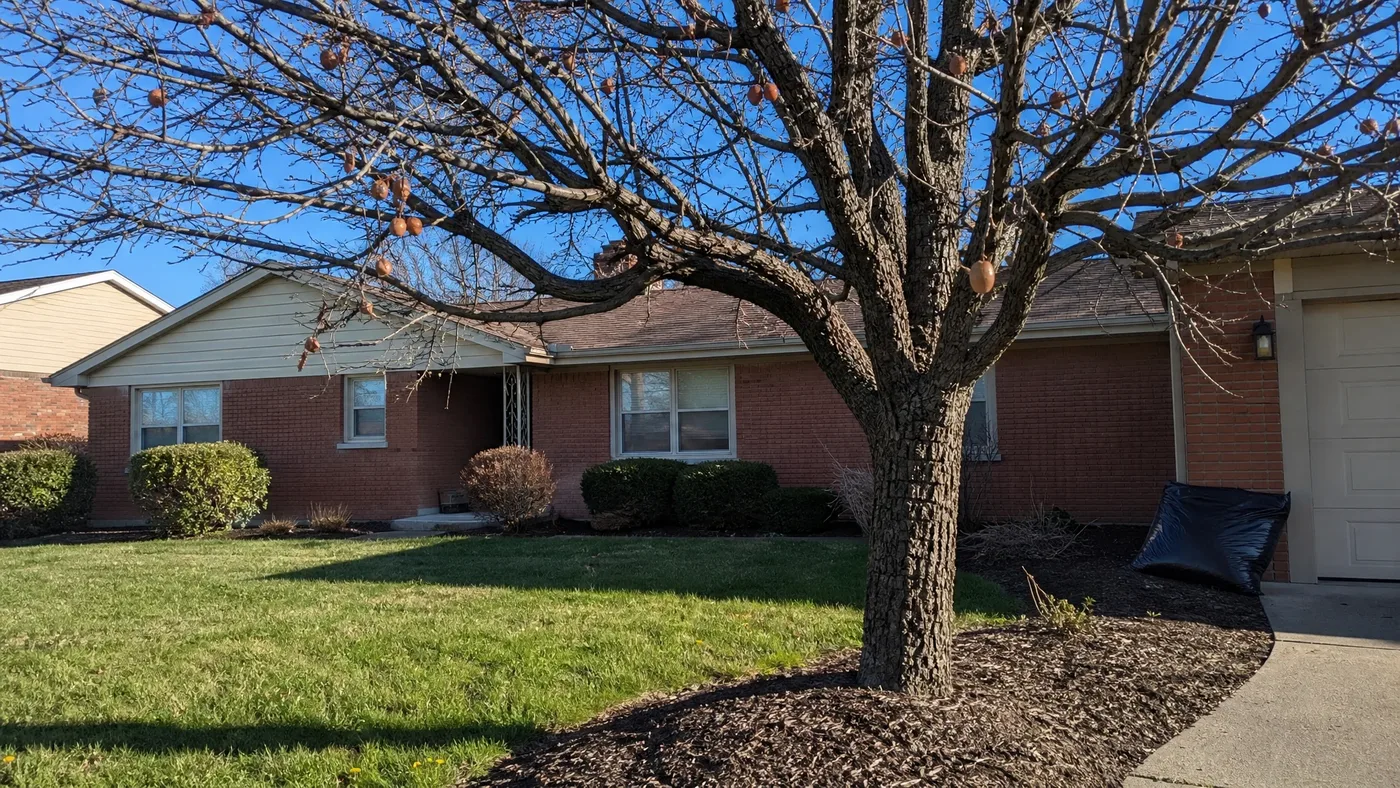
American Persimmon Wood: Hardness, Heartwood and Uses
The first time most people cut into a persimmon that a storm has laid down, the chainsaw is the first to complain. A few minutes in, the cuts slow, the chips come off fine and dark, and the chain needs a touch-up. That log is American Persimmon (Diospyros virginiana) showing you what it is made of.
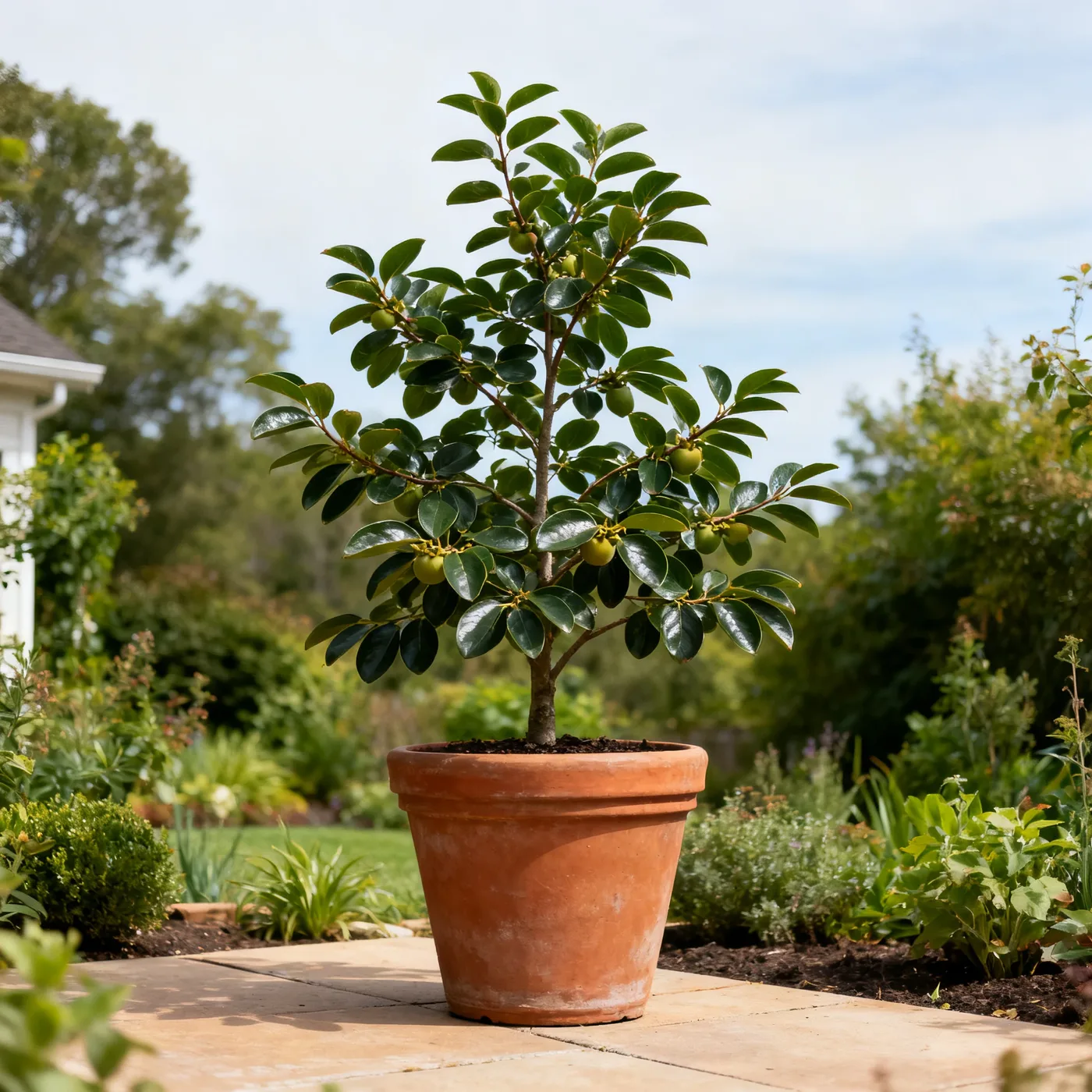
The same density that dulled your chain made this tree a working timber, and it still shapes how the living tree grows, holds snow and ice, and responds to your saw. Ignore it and you will fight your tools and misjudge your limbs. Understand it and you will prune smarter.
We'll walk you through where the wood's reputation came from and how the dark heartwood and pale sapwood differ, then the uses from golf club heads to inlay, and finally what all that density means for pruning, firewood and the tree in your yard.
How American Persimmon Got Its Reputation for Hard Wood
This tree earned its name in the workshop long before anyone thought of it as a yard tree. Here is how the reputation formed and how to read it.
A Hardwood Among Hardwoods
"Hardwood" is a botanical label for broadleaf trees, and plenty of them cut easily. Persimmon is a different story.
The wood is heavy, tight and unforgiving, and it sits among the hardest of the native US hardwoods. The Missouri extension service describes it as difficult to season and difficult to work with tools. That fits the chain story in the intro. Makers who needed parts that would take years of wear without chipping or loosening kept coming back to it.
Reading the Janka Number
The Janka scale measures the force needed to press a steel ball partway into a piece of wood. Higher means harder, and it is the usual way people compare timbers.
One of the most common questions we get is for the exact Janka figure for American Persimmon. The sources we rely on do not print one, so we will not guess at it here. Look up a published Janka table and compare persimmon with the oak and maple you already know. Compare heartwood with heartwood, because sapwood and heartwood do not rate the same.
Where the Name Comes In
The tree's common name and its place in American history are a separate story, and we cover it in our guide to the native range, history and naming of American Persimmon. For this guide, the point is simpler. The wood gave the tree a second reputation beyond its fruit, and that reputation still explains why a fallen limb feels so different from other yard trees.
Dark Heartwood and Pale Sapwood Explained
Cut a fresh persimmon branch and you meet two very different woods. Knowing which is which tells you a lot about the age of what you are cutting.
What the Two Woods Look Like
The outer wood, the sapwood, is yellowish white. Inside it sits the heartwood, which the Missouri extension service describes as a true ebony ranging from blackish brown to black, often streaked and irregular in outline. That irregular edge matters. The dark core does not form a neat round bullseye, so expect wandering patches rather than a clean circle.
The pale sapwood is no pushover either. The same source calls it heavy, hard, strong and very close grained.
Why a Young Tree Is Mostly Pale
Extension sources call the heartwood a small amount of the whole trunk. A trunk is mostly sapwood while it is young, and the dark core only builds in the older center over time.
So when you prune a young tree, you will see pale, hard wood almost everywhere. Do not expect black in a one-inch branch or in the trunk of a tree you planted a few seasons ago. The dark color comes with age, and the amount you get depends on how long the tree lives and how big the trunk grows.
Reading a Cut in the Yard
If you saw an older limb and find dark streaks in the middle, that is usually just heartwood showing. It is not a sign of disease on its own. A cut that is dark, soft and crumbly is a different matter. For true problems, see our guide to common American Persimmon pests, diseases and problems.
Golf Club Heads and Tool Handles
The best-known use for persimmon timber is sport, and the reasons it worked say a lot about the wood itself.
Why It Suited Club Heads
The Missouri extension service says the wood has been used for golf club heads, and NC State says the heartwood is nearly black, extremely hard and used for golf club heads, billiard cues and shoe lasts. Those uses share a pattern. Each part has to hold its shape under repeated hard contact, and each rewards a wood that wears smooth instead of splintering.
That is exactly what the Missouri source says: when subject to wear, persimmon polishes to a very smooth surface. Add the very close grain and the fact that it is fairly stable when dry, and you have a wood that makers kept choosing.
What About Tool Handles?
You will often hear tool handles named as a use. The sources we stand behind list club heads, cues, lasts and shuttles, so we do not claim a trade history for handles. The logic holds, though. A handle takes sweat, impact and years of gripping, so a close-grained wood that polishes with use is a natural fit.
If you ever make a handle from a fallen limb, pick straight, clear wood from a dry, well-seasoned piece. Persimmon is difficult to season, so a green limb will take its time.
Why the Grain Matters
Close grain means fewer open pores and a more even texture across the piece. It is why the wood can take a smooth finish and why it fights your tools. Both facts come from the same density, and you will feel them whether you are shaping a club head or cutting up a storm limb.
Inlay, Shuttles and Other Quiet Uses
Beyond golf, persimmon timber has settled into smaller, quieter roles where its hardness does the work without drawing notice.
Shuttles and Wear Parts
The textile industry used persimmon for shuttles, according to the Missouri extension service. A shuttle slides back and forth thousands of times, so a wood that polishes to a very smooth surface under wear is exactly what you want. It is a good picture of the wood's real strength: not showy, just durable where parts rub.
Inlay and Turned Pieces
Small decorative work suits the wood well. A black heartwood streak set against yellowish white sapwood gives built-in contrast without any stain, which is why woodworkers who handle persimmon tend to keep small offcuts for inlay and turning. The dense grain holds fine detail and takes a polish, though you will need sharp tools and patience.
Where You Can Still Find the Wood
Do not expect big clear boards. Since the heartwood is a small share of the trunk, any dark, ebony-like piece is likely to be short and narrow. Persimmon turns up mostly as salvage from fallen trees, as small lots from local sawyers, and as offcuts from woodturners.
If you want some, the best route is a local sawyer or turner who works with fallen trees. Ask before you cut, since green wood needs a long drying time and may crack if rushed. For your own storm-felled log, our advice is to leave it long and seal the ends, then be patient.
What Dense Wood Means for Your American Persimmon Tree
Dense timber is a trait of the tree you are growing, not just of the log you might salvage. It shows up in growth rate, limb habit and how the tree handles weather.
Steady, Not Fast, Growth
UF/IFAS lists a moderate growth rate with a mature height of 40 to 60 feet and a spread of 20 to 35 feet. The University of Kentucky describes an upright oval shape at 40 to 50 feet. Dense wood is expensive for a tree to build, and that fits the steady pace you will see. Do not push it with heavy feeding to get speed it does not want. Our guide on how big an American Persimmon tree gets covers the size range in more detail.
Limbs and Storm Behavior
NC State lists American Persimmon as tolerant of wind, and in our rows the trunks stand up well. The limbs are another story. Dense wood is heavy wood, and a heavy limb with a tight angle at the trunk carries a lot of weight, especially when a female tree sets fruit.
A common line says hard wood means a tough tree that needs no structural pruning. We disagree. Hardness does not fix a weak crotch. Choose a strong leader and well-spaced limbs while the tree is young, and you will lose less to ice, wind and fruit load later.
Why Placement Matters
The wood also changes how you site the tree. Heavy branches that fall land hard, so keep the future canopy away from patios, parked cars and play areas. The tree needs room as it matures, and our guide to landscape uses and companion plants helps with layout.
Pruning Cuts and Firewood From American Persimmon
Hard wood changes how you work. A few habits will save your tools, your back and your timing.
Tools and Cuts
Start with edges that are truly sharp, since dull blades tear and stall in dense wood. This checklist covers what we tell customers before they pick up a saw.
- Sharpen your pruning saw or chain before you start, and carry a spare chain for larger limbs.
- Use bypass pruners only on small, young stems, and switch to a saw as soon as the wood feels resistant.
- Make the cut just outside the branch collar rather than flush with the trunk, and avoid leaving stubs.
- Take large limbs off in stages so the weight does not tear the bark down the trunk.
- Wear eye protection, because the fine, hard chips fly.
When to Cut
Remove dead, broken or crossing wood whenever you find it, especially after a storm. For shaping cuts, follow the timing in our guide to how and when to prune an American Persimmon tree, and check with your local extension service for your area.
Firewood and Leftover Logs
Persimmon is difficult to season, so start early. Split rounds soon after cutting, stack them off the ground in the open, and allow a long drying period. Dense wood generally burns slowly and gives steady heat, so many people save it for cold nights.
Expect hard splitting and a lot of chain sharpening. Save any straight, clear pieces with dark heartwood for turning before you burn the rest.
Living With American Persimmon Timber Over the Years
The wood changes as the tree ages, and it helps to know what to expect at each stage.
The Young Tree
For the first years, your tree is mostly pale sapwood. Stems are hard but small, and pruning is easy compared with what comes later. This is the time to build structure and set the shape you want the mature crown to keep.
The Mature Tree
As the trunk thickens, the dark heartwood builds in the center. The tree grows heavier, and limbs get bigger and harder to handle. By then, any large cut is a project that calls for the right saw, a helper and a plan for where the wood will go.
When a Limb Comes Down
Storms will take a limb eventually, and that is when the wood's character shows. Cut it up, check the end grain for pale sapwood and dark heartwood, and save the best pieces. Expect the rest to be firewood that keeps you warm a long time.
Why the Dark Heart of American Persimmon Is Worth Knowing
American Persimmon wood is dense, close-grained and hard to season, with a small ebony-colored heart inside pale sapwood. It earned its place in club heads, shuttles and similar parts, and it asks the same things of you today: sharp tools, early structural pruning and patience with big limbs.
American Persimmon
Nursery-grown American Persimmon in sizes from 1 Gallon, shipped to your door.
From $54.95
Shop Now →Picture a heavy, dark-hearted log seasoning in the shed years after the tree went into the ground, ready to split or turn. Before a plant leaves us, our growers check its roots, trunk and structure, because we are a small business that grows and sells top-quality plants and wants your tree to hold its shape for decades.