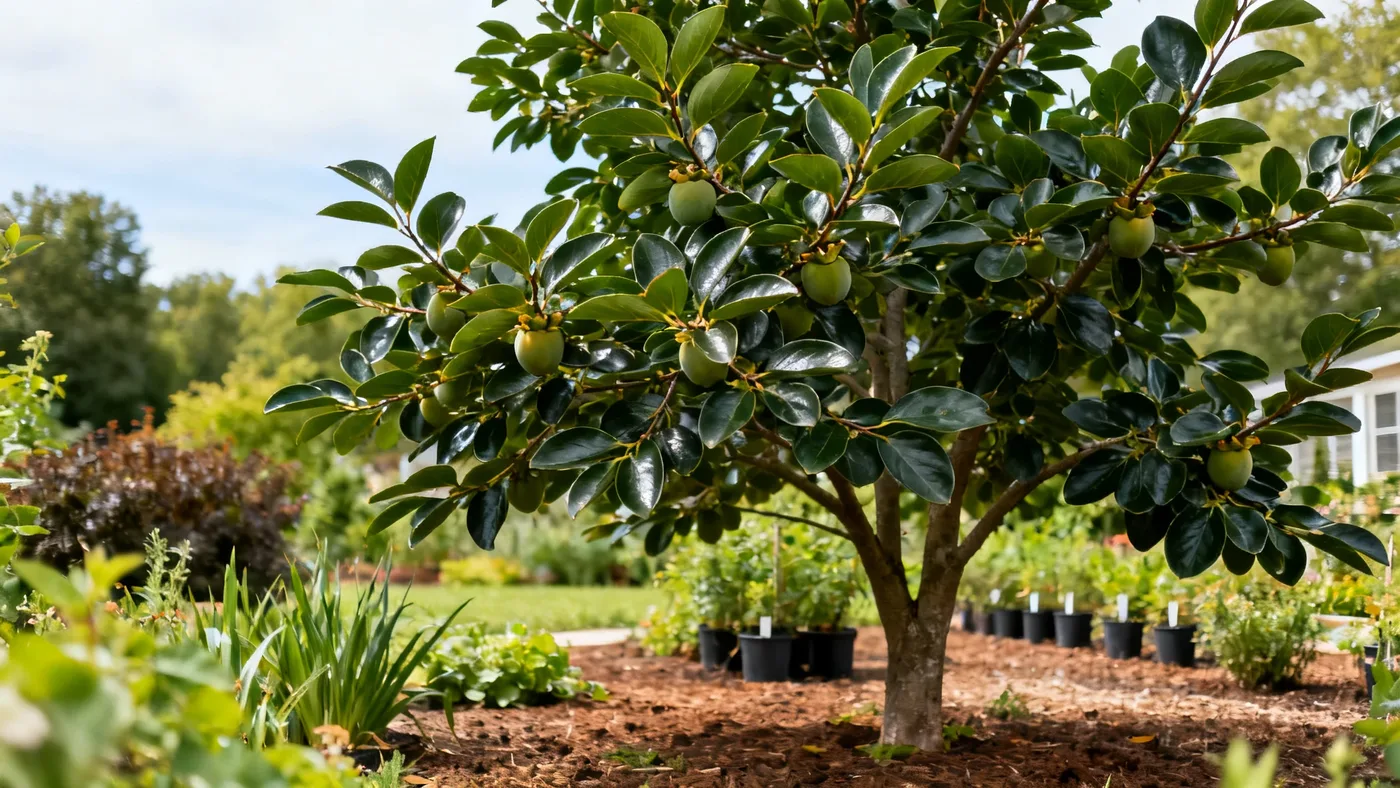
American Persimmon Native Range, History and Naming
American Persimmon is a native deciduous tree with deep roots in North American ecology and human history. Understanding where it grows naturally, how it came to be named, and what roles it has played in different regions offers insight into this distinctive tree and why it matters in modern landscapes.
Native Range and Geographic Distribution
What is the native range of American Persimmon?
American Persimmon (Diospyros virginiana) is native to eastern and central United States, spanning from Connecticut in the north south to Florida and west to Kansas and Texas. This range reflects the tree's ability to thrive across diverse climates, soils, and elevations within the temperate and subtropical regions of the continent.
Is American Persimmon native to my region?
If you live anywhere from Connecticut to Florida or from the Atlantic coast west to Kansas and Texas, American Persimmon is a native tree to your region. Planting native trees supports local ecosystems and often reduces maintenance needs since they are adapted to your area's climate and soil conditions. Check your state's native plant guide or your local extension service to confirm your specific location within the native range.
Where does American Persimmon grow naturally in the wild?
In its native habitat, American Persimmon grows in woodlands, along stream banks, in abandoned fields, and in disturbed areas from sea level to moderate elevations. The tree's deep taproot allows it to thrive in well-drained and even compacted soils, making it a pioneer species that colonizes marginal lands where other trees struggle. You'll most often find mature specimens in mixed hardwood forests or hedgerow settings.
Did American Persimmon always exist in Connecticut and Florida?
Yes, American Persimmon has been present across its range for thousands of years, predating European settlement. Pollen records and archaeological evidence confirm that the species was well established before colonization, growing in the same general geographic range it occupies today.
Why is it called "virginiana" if it grows beyond Virginia?
The scientific name Diospyros virginiana refers to Virginia, where the tree was likely first observed or described by European naturalists. The name was applied to the species based on one location but applies to the entire species, which actually has a much broader native range extending far beyond Virginia's borders.
Botanical Name and Nomenclature
What does the name Diospyros mean?
Diospyros comes from ancient Greek words meaning "divine" (dios) and "fruit" or "wheat" (pyros). The name reflects the historical reverence for the persimmon fruit and its importance as a food source across cultures.
What does "virginiana" mean in the scientific name?
"Virginiana" is a Latinized adjective meaning "of or from Virginia." Early botanists named the species based on specimens from the Virginia region, and the name stuck even though the tree's native range extends well beyond that state.
Who formally named American Persimmon scientifically?
Carl Linnaeus, the Swedish naturalist who developed the binomial nomenclature system, formally described Diospyros virginiana in his classification system. This naming system standardized how scientists refer to plant and animal species worldwide.
Are there other Diospyros species I should know about?
Yes, Diospyros kaki, commonly called Japanese or Asian Persimmon, is a related but distinct species native to Asia. Asian persimmons typically produce larger, sweeter, non-astringent fruit and are suited to warmer zones than American Persimmon, making confusion between the two species understandable for home gardeners.
Common Names and Etymology
What are all the common names for American Persimmon?
American Persimmon goes by several common names including Common Persimmon, Eastern Persimmon, Simmon, Possumwood, and Sugar Plum. These varied names reflect regional differences, cultural usage, and the tree's importance to different groups throughout its native range.
Why is it called "Simmon"?
"Simmon" is a colloquial shortening of "persimmon" that became common in rural Appalachia and southern regions. Folk speech often simplifies longer names, and this informal version persists in regional dialects today.
Why is it called "Possumwood"?
The name Possumwood reflects the tree's wildlife value, particularly for opossums that eagerly eat fallen fruit. Early settlers and indigenous peoples observed that possums and other wildlife were attracted to persimmon trees, making the connection between the animal and tree part of the common vocabulary.
Why is it called "Sugar Plum"?
"Sugar Plum" refers to the fruit's natural sweetness and plum-like appearance when ripe, earning the tree this whimsical name. The term suggests the fruit is a special treat, which aligns with how ripe persimmons taste.
Where does the word "Persimmon" come from?
The word "persimmon" comes from Powhatan (a Native American Algonquian language) words such as "putchamin" or "passiminack," referring to the fruit. Early English colonists adopted this indigenous name, which remains in use today and reflects the tree's long importance to Native peoples.
History and Cultural Significance
What is the history of American Persimmon in North America?
American Persimmon has been part of North American ecology and human culture for thousands of years, providing food and materials to Native peoples long before European arrival. After colonization, settlers recognized the tree's value, and it became a staple in rural orchards and homesteads across the eastern and central United States. Today, while less common in commercial agriculture, it remains a valued native tree for wildlife, edible landscaping, and ecological restoration.
How did Native Americans use American Persimmon?
Native peoples throughout the tree's range harvested persimmon fruit for immediate consumption and processed it into dried cakes for winter storage. The fruit was also used medicinally and the wood was valued for tool and instrument making. Persimmons were such an important resource that early colonists learned persimmon cultivation techniques from indigenous peoples.
Did early American colonists cultivate American Persimmon?
Yes, colonists quickly adopted American Persimmon from Native peoples and planted it intentionally around settlements and orchards. The tree's productivity, hardiness, and long lifespan made it valuable in subsistence farming, and many early homesteads relied on persimmons as a reliable food source.
When were named American Persimmon cultivars first developed?
Named cultivars like "Meader," "Prok," "Early Golden," "Szukis," and "Yates" were developed over centuries through selective propagation by growers who recognized superior fruit quality or productivity. These cultivars began as seedling variants that produced exceptional fruit and were then propagated by grafting to preserve their traits. Some cultivars, such as "Meader," are self-fertile or parthenocarpic, requiring no pollinator to produce fruit.
Was American Persimmon brought to Europe by colonists?
European botanists became aware of American Persimmon through colonial accounts and specimens, and it was introduced to Europe as an ornamental and food tree. However, it never achieved the widespread commercial cultivation there that it did in North America, partly due to climate limitations and competition from established fruit crops.
Habitat and Growing Regions
What zones is American Persimmon suited to?
American Persimmon is hardy in USDA zones 4 through 9, covering most of the eastern and central United States. This wide range reflects the tree's remarkable adaptability to temperature extremes, from cold northern winters to hot southern summers.
How fast does American Persimmon grow in its native habitat?
In favorable conditions, American Persimmon grows at a slow to moderate rate, adding roughly 12 to 18 inches per year once established. Growth rates vary depending on soil quality, moisture availability, and regional climate, with trees in the southern part of the range often growing faster than northern specimens.
How long do American Persimmon trees live?
American Persimmon is a long-lived species, commonly living 75 or more years, with some specimens documented to exceed 100 years. This longevity makes it an excellent choice for permanent landscape plantings and succession planting in restoration projects.
Is American Persimmon considered invasive?
No, American Persimmon is not considered invasive. As a native tree, it is not designated as invasive anywhere within its range. However, the tree can sucker and self-seed readily in favorable conditions, which some property managers view as a management consideration rather than an ecological threat.
What soil conditions does American Persimmon prefer in its native habitat?
American Persimmon is highly adaptable to a wide range of soils, including clay, loam, and sandy soils, with a soil pH tolerance of 5.5 to 7.5 spanning acidic to slightly alkaline. Once established, its deep taproot provides excellent drought tolerance, allowing it to survive in poor and compacted soils where other trees struggle. See our American Persimmon care guide for detailed planting and soil preparation instructions.
Quick Reference: American Persimmon History and Range at a Glance
| Category | Details |
|---|---|
| Scientific name | Diospyros virginiana |
| Common names | American Persimmon, Common Persimmon, Eastern Persimmon, Simmon, Possumwood, Sugar Plum |
| Native range | Connecticut south to Florida and west to Kansas and Texas |
| USDA hardiness zones | 4 to 9 |
| Growth rate | Slow to moderate, 12 to 18 inches per year once established |
| Lifespan | Commonly 75 plus years, some over 100 years |
| Soil pH range | 5.5 to 7.5 (acidic to slightly alkaline) |
| Cultural significance | Used for thousands of years by Native peoples, adopted by colonists, remains valued for food and wildlife |