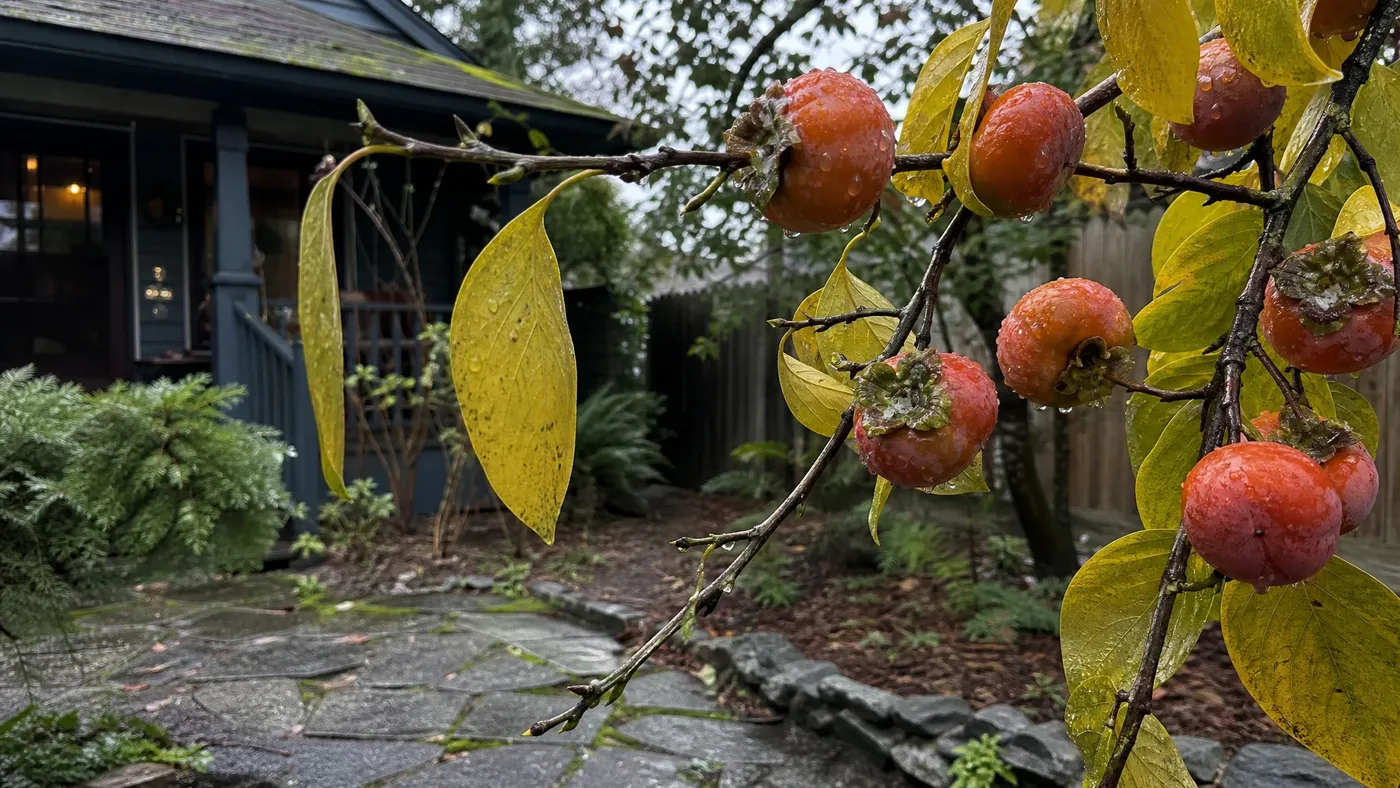
American Persimmon Recipes: Jams, Breads and Other Kitchen Uses
It is late October. The first frost has come and gone, and a bowl of soft, wrinkled persimmons is sitting on your counter. Now what do you do with them? The short answer is that every American Persimmon recipe starts from the same place: fully soft, seed-free pulp.
Get that step right and the fruit is rewarding to cook with. Get it wrong and a whole batch of jam or bread turns harsh and dry in the mouth.
In this article, we'll go through the mistake that ruins most batches, how to make and store pulp, and how to use it in jams, baked goods, pudding and wine.
American Persimmon Recipes Start With Fully Soft Fruit
Most failed batches trace back to one thing: the fruit went into the pot too early. This section explains why that happens and how to avoid it.
The Mistake We See Most
People pick a fruit that has color and a little give, then cook it. The color is not the signal. The fruit is astringent when green but sweet when soft and ripe, and an orange fruit that is still firm can pucker your mouth just as badly as a green one.
Customers usually tell us they cooked the fruit "to soften it." Heat does not fix an unripe persimmon. The harshness carries straight through into the finished jam or loaf, and sugar only masks it for a moment.
How This Differs From Asian Persimmon Recipes
Many persimmon recipes online were written for non-astringent Asian types. Those fruit can be sliced firm into salads or baked in chunks. American Persimmon cannot be used that way.
Our guide on American versus Asian persimmon covers the plant differences. For the kitchen, the rule is simple. Treat this fruit as a pulp ingredient, never a slicing fruit. The fruit is also small, from about ¾ inch to more than 2 inches across depending on the tree, with seeds inside, so you will never be cubing it anyway.
Your Ready-to-Cook Test
Use your hands and your tongue, in that order. Both tell you more than the calendar does.
The fruit should be soft enough that it feels almost like a water balloon, with wrinkled, dull skin. It should come off the calyx with almost no pull, and the pulp should taste sweet with no dry bite at all. Taste one before you process a bucket. For the full picture of timing and frost, see our guide to ripening, astringency and harvest.
Turning American Persimmon Into Pulp
Pulp is the base for everything that follows, and making it is the only truly fiddly step. Do it once, in a big batch, and the rest of the season gets easy.
Use a Sieve, Not a Knife
American Persimmon has seeds and a skin that nobody wants in a recipe. According to the Alabama Extension, the seeds and skin are generally discarded, and the pulp is incredibly sweet with almost no acidity. A sieve or fruit pulper does the separating.
A food mill or a fine colander with a wooden spoon works well. Press the soft fruit through, scrape the underside of the sieve and keep what comes through.
Step by Step
Here is the order we follow when a bucket of fruit comes in. It keeps the sticky work contained.
- Sort the fruit and set aside anything that is firm, moldy or sour-smelling.
- Pull off the calyx, the leafy cap on top of each fruit.
- Press the fruit through the sieve or mill in small handfuls.
- Scrape the underside of the sieve, because a lot of pulp clings there.
- Measure the pulp into the amounts your recipes use and bag it.
Expect Less Pulp Than You Think
The seeds take up a lot of room in a small fruit, so a full bowl gives a modest amount of pulp. Plan on picking more than the recipe seems to need.
Wash your hands and tools as you go. The pulp is sticky and dark, and it stains cloth.
Freeze It, Don't Can It
Plan to freeze your pulp. Extension food safety specialists note that there are no safe, tested canning recipes for persimmon puree. The same source suggests preparing pulp for baking and freezing it in pre-measured amounts.
We follow that approach. Pack the pulp in freezer bags or containers in the amounts your favorite recipes call for, label them and lay the bags flat. You can then bake in January with fruit you picked in October.
Jams, Jelly and Butter From American Persimmon
Spreads are the most common request we get for this fruit. They also suit the pulp well, because the sweetness is already there and what needs adding is balance.
Jam and Fruit Butter
The pulp is very sweet and nearly lacking in acid, so a persimmon jam made like a berry jam tastes flat and cloying. Add lemon juice a little at a time, tasting as you go, and consider warm spices such as cinnamon, ginger or clove. Cook the pulp slowly and stir often, because thick pulp scorches on the bottom of the pot.
Fruit butter is the easiest of the group. Cook the pulp down with a little acid and spice until it mounds on a spoon. We like it more than jam for this fruit, since it needs no added thickener and tastes like the persimmon.
Jelly
Jelly takes more work. You need clear juice, and persimmon pulp is thick enough that it will not drip through a bag the way grape or apple pulp does. Most people dilute the pulp, strain it and then follow a tested jelly recipe with added pectin.
Be honest with yourself about the effort. One of the most common questions we get is whether jelly is worth it, and our answer is that jam or butter gives more flavor for the work.
Storing Spreads
Because there are no tested canning recipes for the puree itself, look for a tested recipe from your local extension service before you process a spread in jars. The safest default is the freezer. A small container of butter keeps well that way and thaws quickly for toast.
Bread, Cake, Cookies and Pie With American Persimmon
Baking is where persimmon pulp shines. It acts as both sweetener and moisture, much as applesauce or mashed banana would in a quick bread.
Swapping Pulp Into Familiar Recipes
Start with a banana bread, pumpkin bread or spice cake recipe you already trust. Replace the mashed fruit or puree with persimmon pulp in the same measure, then taste the batter. Because the pulp is so sweet, many bakers cut back the sugar a little.
Cookies and cakes follow the same logic. Pie filling works like a pumpkin pie with persimmon in its place, and the pulp sets up well with eggs and cream.
Fixing Common Baking Problems
Pulp holds a lot of water, so loaves can bake up dense and gummy in the middle. Bake until a toothpick comes out clean in the center, and let the loaf cool fully before slicing.
If the result is too sweet, cut the sugar next time and add a spoonful of lemon juice to the batter. If it is bland, the spice is usually too light. Dark crusts are normal, because the sugar in the pulp browns quickly.
Spice and Texture
The flavor of ripe American Persimmon leans toward dates, brown sugar and a little spice. Cinnamon, nutmeg and ginger bring that out. Chopped walnuts or pecans add crunch to a soft crumb, which suits a loaf or cookie.
A Note on Cultivars
Wild trees vary widely in size and flavor, and some drop fruit that stays astringent late into the season. Per the University of Kentucky, cultivated varieties may have improved quality and lose their astringency earlier in the fall. That makes a named tree more dependable for a kitchen supply. See our list of the best American Persimmon cultivars to compare. We grow named cultivars, so you can choose the tree for the fruit you want to cook.
American Persimmon Pudding
Persimmon pudding is the classic use for this fruit, and it deserves its own section. It is a dense, moist baked pudding, somewhere between a steamed cake and a custard.
What the Pudding Needs
The pulp is the main ingredient here, not a flavoring. That means every flaw in the fruit shows. Unripe pulp makes a pudding with a dry, clinging finish, while fully soft pulp gives a deep, caramel sweetness.
Most traditional versions combine pulp with flour, eggs, milk or cream, and spice. Find a recipe written for American Persimmon rather than the Asian fruit, since the pulp is thicker and the sweetness differs.
Baking and Serving
These puddings bake slowly and set firm as they cool. They come out dark and slightly sticky at the edges. Serve warm or at room temperature with whipped cream, ice cream or a spoonful of sweetened cream.
In our rows, the people who make this dish every year are usually the ones who freeze fruit by the bag. It rewards a stocked freezer, and you can bake it on a cold day in midwinter without any fresh fruit at all.
Pudding or Bread?
Both use the same pulp, but they ask different things of it. Bread tolerates a little sloppiness, since flour and leavening carry the structure. Pudding does not, because the pulp itself makes up the body.
If your first batches of fruit are uneven, use them in bread and save your best, softest pulp for pudding.
Wine, Ice Cream and Other Uses for American Persimmon
Beyond the pot and the oven, the pulp has more uses than most people expect. The Alabama Extension lists candies and ice creams alongside puddings, jellies, jams, fruit butters and pies.
Persimmon Wine
Wine is a popular project because the fruit is so sugary. The pulp gives a sweet must, and the fruit's low acidity means most recipes balance it with added acid. We do not give winemaking quantities here, since none of ours come from a tested source. Use a winemaking reference, and be careful about sanitation and any local rules on home production.
Pulp is thick, so strain the juice well, and expect cloudiness unless you clarify it.
Ice Cream, Syrup and the Simplest Option
Stirring cold pulp into a custard base makes a good ice cream, and the flavor needs little else. You can also simmer pulp into a syrup for pancakes or yogurt.
The easiest use of all needs no recipe. Eat the fully soft fruit by hand or spoon the pulp over oatmeal.
Gathering Fruit for the Kitchen
Fallen fruit is often the ripest, but it will not wait long on the ground. Deer, birds and other animals go for the same fruit, so read how animals compete for the harvest and gather fallen fruit promptly. Check each one for bruising and mold before it goes in the bowl.
Cooking With American Persimmon: What to Remember
Wait for fruit that is fully soft, press it through a sieve, freeze the pulp in measured portions and match the recipe to the pulp. Use acid in jams, cut the sugar in baking and choose recipes written for the American fruit.
American Persimmon
Nursery-grown American Persimmon in sizes from 1 Gallon, shipped to your door.
From $54.95
Shop Now →If you are still waiting on your own tree, our guide on how long a persimmon takes to fruit sets honest expectations. On our farms we grow American Persimmon in full sun and well-drained ground with the room trees want, because well-sited trees give the sweet, fully ripening fruit that makes every recipe here worth the trouble.